
Introduction
Picture a buzzing school makerspace or tech-lab classroom, where curious students are bringing ideas to life layer by layer. Teachers aren’t stressing over fumes or complex printer settings. Instead, kids are printing phone stands, robotics parts, engineering prototypes, and fun personal projects without the chaos of half-failed prints. That’s the magic of PLA+, and why so many modern learning environments are choosing it as their go-to filament. Safe, reliable, and user-friendly, PLA+ is practically made for education and youth innovation.
In this article, we break down what makes PLA+ such a standout choice for schools and makerspaces. We’ll explore safety benefits, ease-of-use advantages, print quality, durability, classroom examples, and practical tips for educators selecting filament.
What is PLA+ (and how it differs from standard PLA)
Definition of PLA+
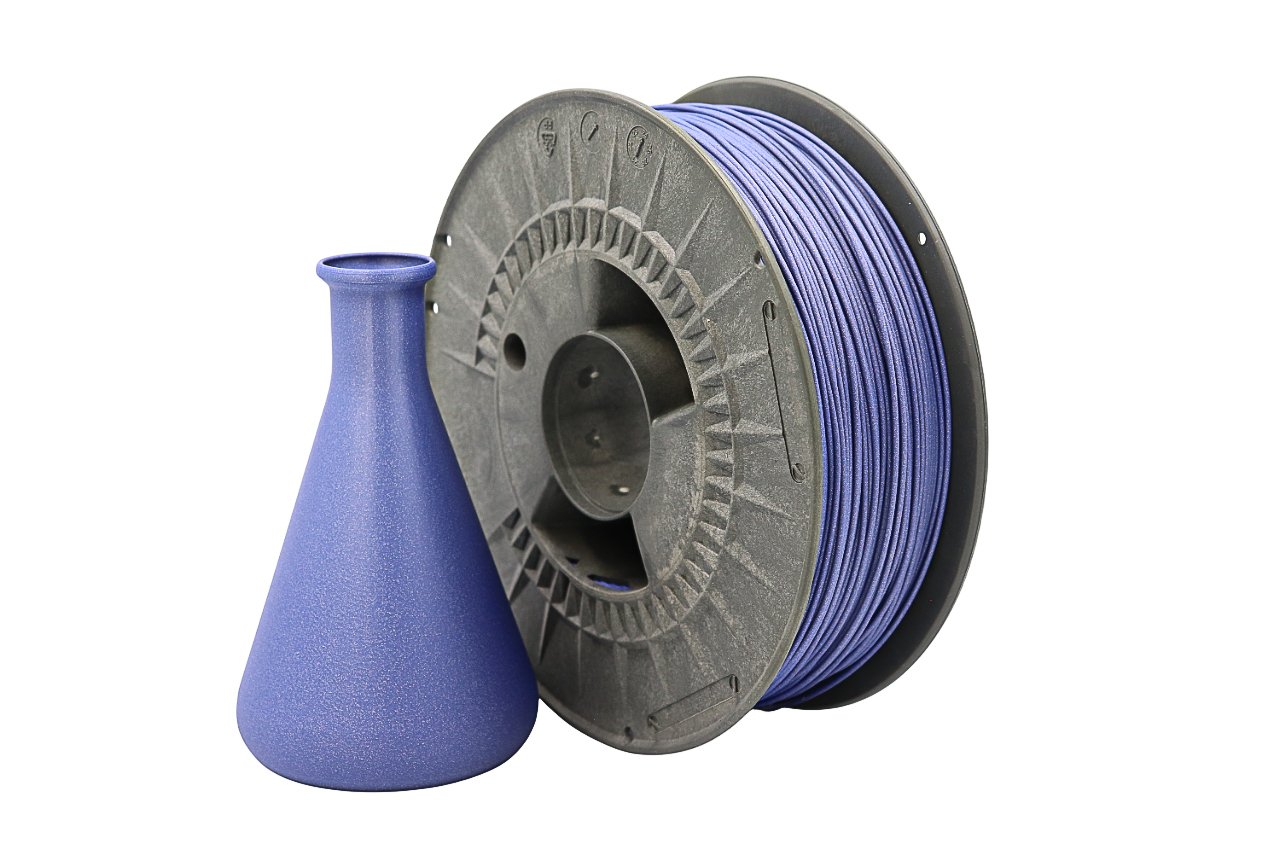
PLA+ is an enhanced version of PLA, a biodegradable plastic derived from natural sources like cornstarch or sugarcane. PLA on its own is popular for its ease of printing, low odor, and eco-friendliness. PLA+, however, takes this foundation and adds toughness and flexibility through engineered modifiers, giving prints more strength and durability without sacrificing beginner-friendly characteristics.
PLA vs PLA+
Standard PLA prints well and works for decorative or low-stress items. PLA+ offers improved layer adhesion, better impact resistance, and smoother finish quality. Students can feel the difference in functional prints like gears, brackets, or moving components. This upgrade matters in environments where learning happens through doing, testing, breaking, and refining.
Why this matters for education
In schools and makerspaces, materials need to withstand repeated handling and testing. PLA+ delivers durable outcomes while keeping workflows simple for instructors and students who are still building confidence with 3D printing.
Safety: Why PLA+ is ideal for schools & makerspaces
Low odor and low toxicity
PLA+ prints at relatively low temperatures and emits minimal fumes, keeping classrooms and labs comfortable and safe. Unlike some engineering plastics that require strong ventilation, PLA+ is well suited for everyday learning environments.
Eco-friendly benefits
Many schools now prioritise sustainability. PLA+ maintains the compostability of PLA in industrial conditions and originates from renewable plant-based ingredients. This aligns beautifully with eco-focused STEM programs, encouraging students to explore technology responsibly.
Reliable and safer prints
Less warping, fewer jams, and improved adhesion mean fewer hands near hot nozzles and moving parts trying to fix failures. Teachers don’t need to be 3D printing experts to supervise successful projects.
Ease of Use: How PLA+ simplifies learning and making
Beginner-friendly printing
PLA+ prints smoothly at moderate temperatures, most often without a heated chamber or enclosed machine. This ease helps classroom projects run smoothly and keeps students engaged instead of frustrated.
Works on most printers
Whether a school uses Prusa, Creality, Bambu, Flashforge, or another popular model, PLA+ is almost always plug-and-play. Compatibility reduces the need for educators to juggle multiple filament types or complicated calibration procedures.
Less maintenance and troubleshooting
Busy educators don’t have spare hours to diagnose print issues. PLA+ behaves consistently and requires minimal tinkering, freeing up time for creativity and guided learning.
Practical classroom workflows
Teachers can confidently assign real-world projects: architecture models, science prototypes, classroom tools, and personal design challenges. With PLA+, students spend less time watching failed prints and more time learning engineering and design principles.
Durability & Performance: Built to survive student creativity
Stronger student projects
Printed components like robotics casings, mechanical joints, and snap-fit assemblies stay intact longer. PLA+ delivers a satisfying balance between flexibility and rigidity, ideal for hands-on learning.
Shelf-worthy, long-lasting classroom tools
From measurement fixtures to lab equipment holders or custom storage solutions, PLA+ makes permanent classroom assets instead of fragile prototypes. Students feel proud when their printed items stay in use semester after semester.
Clean aesthetics and finishing
Smooth surfaces, crisp details, and rich color options help student models shine. PLA+ reduces layer lines and gives a polished feel that boosts confidence and encourages innovation.
Case Studies & Practical Applications
STEM lab prototype success
A middle school STEM program switched to PLA+ from regular PLA for robotics brackets. Failure rates dropped and students could safely test structural components. More successful builds meant more engagement and faster learning curves.
Makerspace club example
A high-school engineering club used PLA+ for drone frames and wearable tech housings. The parts handled bending and impact better than standard PLA, turning ambitious ideas into durable outcomes. Students learned through experimentation instead of frustration.
Choosing and Using PLA+ in Schools or Makerspaces
What to look for
Educators should focus on consistent diameter tolerance, trusted brand sourcing, and availability of school-friendly colors. Filalab.shop offers PLA+ engineered for smooth performance, making it a strong match for classrooms.
Best practices
Typical print settings:
• Nozzle: ~200-215°C
• Bed temp: ~50-60°C
• Cooling: Yes
These forgiving settings keep workflows smooth.
Troubleshooting made simple
Because PLA+ avoids common issues like excessive stringing or warping, troubleshooting is fast, allowing students to iterate quickly.
Integrating PLA+ into lessons
Great project ideas:
• Bridge-building challenges
• Custom classroom supplies
• Robotics mounts
• Science lab models
• History mini-artifacts
• Creative design competition prints
Addressing Concerns & Limitations
Budget notes
PLA+ can cost slightly more than basic PLA, but fewer failed prints and more durable outcomes make it cost-efficient over time.
Printer compatibility
Most school printers handle PLA+ easily. Educators should simply double-check recommended temps to optimize print quality.
When PLA+ isn’t ideal
For extremely high-temperature or industrial applications, consider materials like PETG or ABS. But for 99% of academic uses, PLA+ wins.
Conclusion
PLA+ brings together the qualities that matter most in modern education and youth makerspaces: safety, simplicity, durability, and impressive results. When students can experiment freely without fear of fumes, failures, or fragile prints, creativity thrives. If you’re building a learning environment where students explore design, STEM, engineering, and imagination, PLA+ is the material that turns ideas into confident, hands-on learning experiences.
Ready to stock your classroom or makerspace with reliable, high-performance PLA+? Explore premium PLA+ options at Filalab.shop and empower the next generation of innovators to build boldly and learn with excitement.