
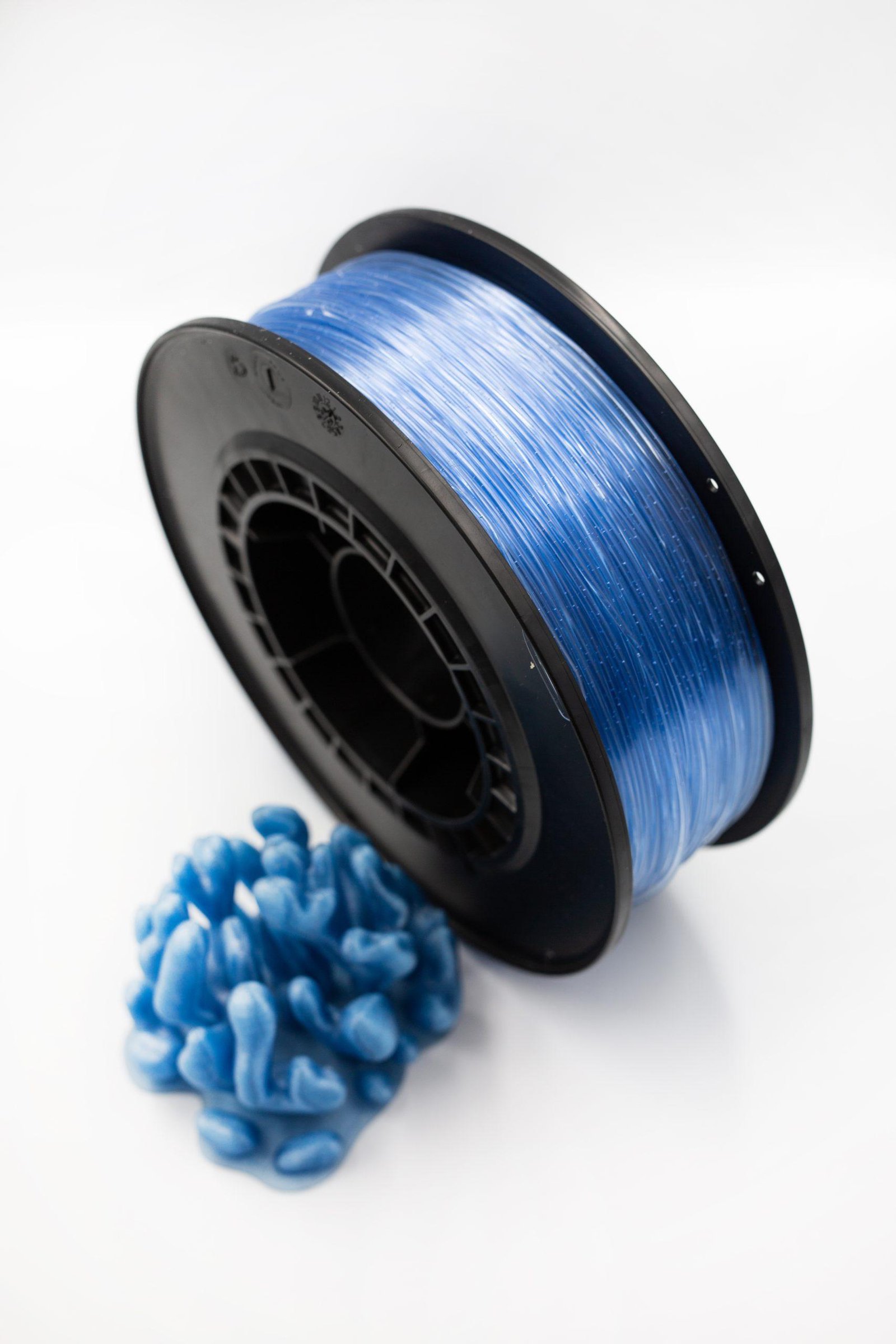
Introduction: Why Environmental Impact Matters in 3D Printing Filaments
As 3D printing continues to scale from hobbyist workshops to industrial production lines, the environmental consequences of filament choice are no longer a side discussion. Material selection now plays a direct role in energy consumption, waste generation, and long-term sustainability. This is where the comparison of R-PLA vs R-PETG environmental impact becomes especially relevant. Makers, engineers, and businesses are increasingly weighing recycled options against traditional virgin filaments to reduce their footprint without sacrificing performance. Understanding the true differences between recycled vs virgin 3D printing filament is essential for anyone aiming to adopt sustainable 3D printing materials in a responsible and informed way.
Understanding Filament Categories in Sustainability
What R-PLA Really Means in Manufacturing
R-PLA refers to recycled polylactic acid, typically produced from post-industrial or post-consumer PLA waste. This waste may include failed prints, production scrap, or reclaimed filament that is reprocessed into usable material. While PLA itself is derived from renewable resources like corn starch or sugarcane, recycling it further reduces the demand for new raw material extraction. When discussing R-PLA vs R-PETG environmental impact, R-PLA often stands out due to its lower processing temperatures and reduced energy needs during recycling.
What R-PETG Represents in Recycled Filament Production
R-PETG is recycled polyethylene terephthalate glycol-modified, commonly sourced from industrial PETG waste or carefully sorted plastic streams. PETG is not bio-based like PLA, but recycling it significantly lowers its environmental burden compared to virgin PETG. In the debate of recycled vs virgin 3D printing filament, R-PETG plays a crucial role because it diverts durable plastics from landfills while maintaining strong mechanical performance.
Defining Virgin PLA and Virgin PETG
Virgin PLA and virgin PETG are manufactured entirely from new raw materials. Virgin PLA starts with agricultural feedstocks that undergo fermentation and polymerization, while virgin PETG is produced from fossil-fuel-derived chemicals. These processes require higher energy input and generate more emissions than recycling existing polymers. As a result, virgin materials typically have a larger environmental footprint, which is why sustainable 3D printing materials increasingly prioritize recycled alternatives.
Raw Material Sourcing and Environmental Footprint
Feedstock Origins: Recycled vs Virgin Polymers
The environmental gap between recycled and virgin filaments begins at the source. Recycled filaments rely on existing plastic waste, reducing the need for new resource extraction. Virgin filaments, by contrast, depend on continuous raw material supply chains. When analyzing R-PLA vs R-PETG environmental impact, recycled feedstocks consistently show lower land use, reduced extraction damage, and decreased dependence on finite resources.
Energy Consumption During Material Extraction
Extracting and processing virgin materials requires significantly more energy than collecting and reprocessing plastic waste. Virgin PETG, in particular, involves energy-intensive chemical synthesis. Recycled filaments bypass many of these steps, making recycled vs virgin 3D printing filament comparisons heavily skewed toward recycled options in terms of energy efficiency.
Carbon Emissions at the Source Level
Carbon emissions are highest during raw material production. Virgin PETG carries the largest carbon burden, followed by virgin PLA. R-PLA and R-PETG reduce emissions by reusing existing polymers, reinforcing their position as sustainable 3D printing materials suitable for environmentally conscious production.
Manufacturing Process Impact Comparison
Recycling and Reprocessing Energy Requirements
Recycling filament is not emission-free, but it is far less energy-intensive than producing virgin polymers. Shredding, drying, and re-extruding plastics consume electricity, yet these steps generate fewer emissions than polymer synthesis. This distinction is central to understanding R-PLA vs R-PETG environmental impact, as both recycled materials demonstrate lower total energy demand.
Virgin Filament Production and Resource Intensity
Virgin filament manufacturing involves polymer creation, pelletization, extrusion, and spooling. Each step compounds energy use and emissions. From a sustainability standpoint, this makes virgin filaments less attractive when viable recycled alternatives exist.
Waste Generation During Manufacturing
Recycled filament production often incorporates internal waste loops, where scrap is immediately reused. Virgin filament facilities generate waste that is not always recyclable, contributing to material loss. This inefficiency further widens the gap in recycled vs virgin 3D printing filament comparisons.
Emissions and Pollution Factors
Greenhouse Gas Emissions per Filament Type
Lifecycle assessments consistently show lower greenhouse gas emissions for recycled filaments. R-PLA typically has the lowest emissions, followed by R-PETG, while virgin PETG ranks highest. These findings strongly support recycled options within sustainable 3D printing materials strategies.
Chemical Byproducts and Air Quality Concerns
Virgin polymer synthesis releases chemical byproducts that can impact air quality. Recycling processes are more mechanical and generate fewer harmful emissions. This difference becomes critical in large-scale manufacturing environments focused on reducing pollution.
Water Usage and Wastewater Impact
Water consumption is another overlooked factor. Virgin polymer production uses substantial water for cooling and chemical processing. Recycled filament manufacturing generally uses less water, further improving the R-PLA vs R-PETG environmental impact profile.
Performance vs Sustainability Trade-Offs
Mechanical Properties of R-PLA vs Virgin PLA
R-PLA has improved significantly in recent years. While early versions suffered from brittleness, modern recycled PLA often matches virgin PLA in strength for most applications. This reduces the need to default to virgin materials when pursuing sustainable 3D printing materials.
Mechanical Properties of R-PETG vs Virgin PETG
R-PETG typically retains excellent impact resistance and flexibility. In many cases, the difference between recycled and virgin PETG is negligible, making R-PETG a strong contender in recycled vs virgin 3D printing filament decisions.
When Performance Demands Justify Virgin Materials
There are scenarios where virgin filaments remain necessary, such as regulated industries or applications requiring extreme consistency. However, these cases are narrowing as recycled filament quality continues to improve.
Lifecycle Analysis: From Production to End of Use
Product Longevity and Failure Rates
Durable prints last longer, reducing the frequency of reprints and material waste. R-PETG often excels here due to its toughness, influencing the overall R-PLA vs R-PETG environmental impact comparison.
Recyclability After Printing
PLA and PETG prints can be recycled again if proper systems exist. Using recycled filaments supports a circular economy, reinforcing the value of sustainable 3D printing materials.
End-of-Life Disposal Scenarios
Virgin plastics are more likely to end up in landfills due to lower recycling rates. Recycled filaments encourage responsible disposal and reuse practices.
Transportation and Packaging Considerations
Supply Chain Length and Emission Impact
Recycled filaments are often produced locally or regionally, reducing transportation emissions. Virgin filaments may rely on global supply chains, increasing their carbon footprint.
Packaging Materials and Sustainability Practices
Many recycled filament brands use recyclable or minimal packaging. This holistic approach strengthens the case for recycled vs virgin 3D printing filament adoption.
Cost, Accessibility, and Market Adoption
Price Differences Between Recycled and Virgin Filaments
Recycled filaments can be slightly more expensive due to sorting and quality control, but prices are stabilizing as demand grows. Long-term environmental savings often outweigh short-term cost differences.
Availability and Consistency Challenges
Consistency was once a concern, but modern production methods have improved reliability. This progress supports wider use of sustainable 3D printing materials across industries.
Industry Trends Toward Sustainable Filaments
Manufacturers and consumers alike are pushing for greener solutions. This shift is accelerating innovation in recycled filament technology.
Environmental Certifications and Standards
Recycled Content Verification
Certifications help verify recycled content and ensure transparency. These standards are essential for comparing R-PLA vs R-PETG environmental impact accurately.
Eco Labels and Compliance Standards
Eco labels provide assurance that sustainability claims are credible, not marketing-driven.
Practical Recommendations for Eco-Conscious Makers
Choosing Between R-PLA and R-PETG
R-PLA is ideal for low-stress parts and prototyping, while R-PETG suits functional components. Both outperform virgin options in sustainability metrics.
Situations Where Virgin Filaments Are More Responsible
In regulated or safety-critical applications, virgin materials may still be necessary. The goal is informed choice, not absolute avoidance.
Best Practices to Reduce Environmental Impact
Optimizing print settings, reducing failed prints, and recycling waste further enhance the benefits of sustainable 3D printing materials.
Conclusion: Making Informed Sustainable Filament Choices
The comparison of R-PLA vs R-PETG environmental impact clearly shows that recycled filaments offer substantial environmental advantages over virgin counterparts. While performance requirements may occasionally justify virgin materials, the gap continues to close as recycled technology advances. By understanding the full lifecycle of recycled vs virgin 3D printing filament, makers and manufacturers can make smarter decisions that balance performance, cost, and responsibility. Ultimately, adopting sustainable 3D printing materials is not just a trend but a necessary step toward a more circular and environmentally conscious manufacturing future.