
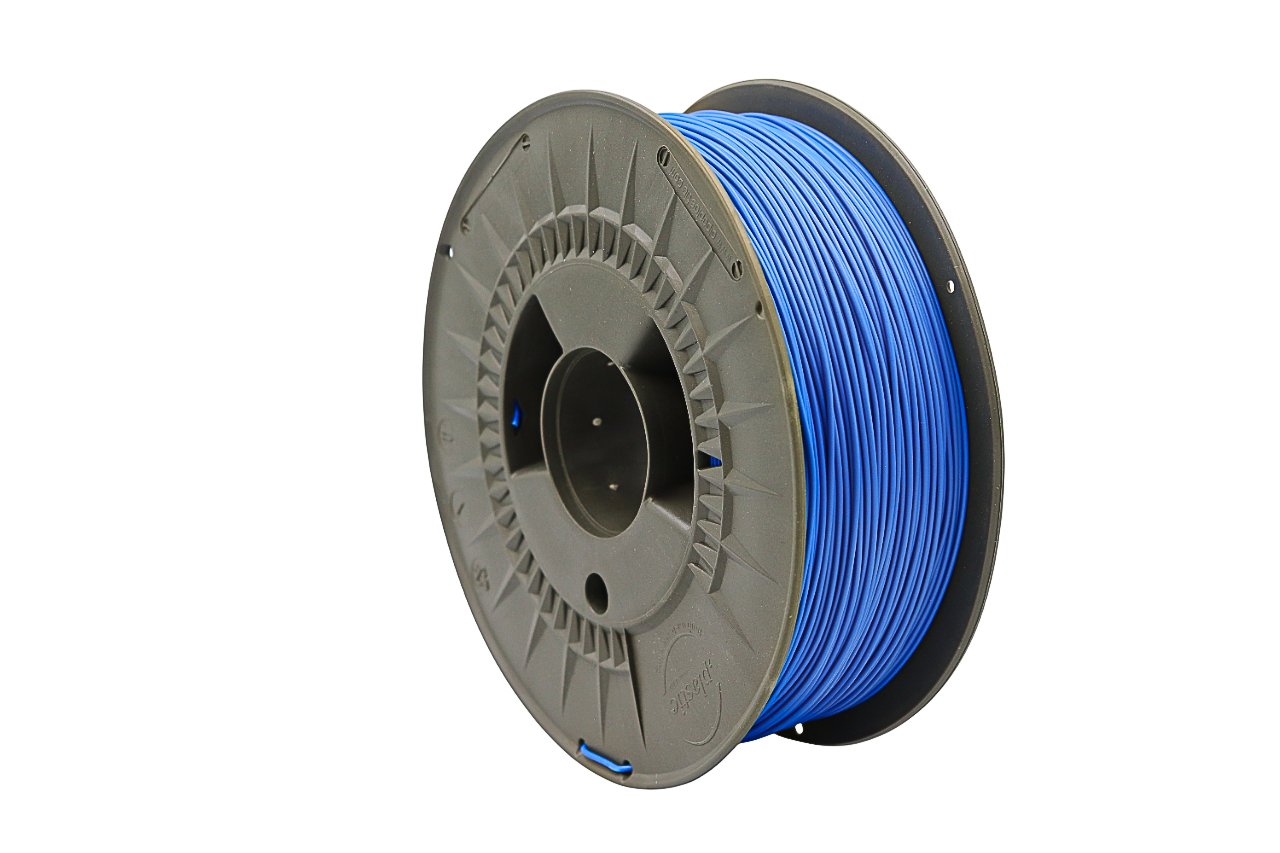
When you’re printing decorative models or classroom prototypes, choosing PLA vs PETG doesn’t seem like a high-stakes decision. But the moment you move into light mechanical use, everything changes. Suddenly, durability, impact resistance, and reliability matter. And when we compare PLA vs PETG in this category, PETG consistently comes out on top. This article breaks down exactly why.
Setting the stage: what “light mechanical use” means
Light mechanical prints include brackets, clips, robotics parts, enclosures, gears that don’t endure high loads, clamps, and anything expected to move or take minor stress. For these roles, a balance between strength, flexibility, and stability defines success. And this is where PLA vs PETG becomes a critical material choice.
Why this comparison matters
PLA prints beautifully and is easy to work with. It’s the go-to beginner material. But as soon as your prints start interacting with the real world, weaknesses show. PETG solves many of those issues without the learning curve of ABS. Understanding the difference between PLA vs PETG ensures your prints don’t just look good but also perform.
What is PETG? Your functional-printing ally
PETG is polyethylene terephthalate glycol-modified. That little “G” boosts impact resistance, improves layer bonding, and adds durability while keeping extrusion temperatures reasonable and printing behavior friendly.
Why glycol-modification matters
PLA can be brittle. PETG is not. The glycol modification helps PETG absorb stress and deform slightly instead of snapping. When evaluating PLA vs PETG, this flexibility is a game changer for parts that move or take force.
Common use cases
Mechanical brackets and clips, RC parts and robotics components, functional prototypes, outdoor-rated casings and fixtures, protective housings.
PLA in a nutshell: familiar but limited
PLA is fantastic for beginners, fast prints, and beautiful models. It’s low-warp, highly detailed, and environmentally friendly. But… it’s brittle and doesn’t love heat. Put PLA clips in a car, and they’ll sag. Drop a PLA enclosure, and it may crack.
PLA strengths
Affordable and widely available, easy to print with near-zero fuss, perfect for prototypes, art, and decor.
Where PLA falls short
Brittle under impact, poor heat resistance, not ideal for moving parts. If you’re debating PLA vs PETG for anything functional, PLA usually drops out quickly.
PLA vs PETG in mechanical applications: a head-to-head breakdown
Mechanical strength
PETG offers higher toughness, better impact resistance, and superior stress handling. A printed PLA hook may snap on a sharp load. PETG bends and survives. That’s the practical outcome of PLA vs PETG mechanical strength differences.
Temperature performance
PLA softens around 55–60°C. PETG withstands around 80–90°C, making it more reliable for real-world environments.
Chemical and weather resistance
PLA hates moisture and UV. PETG thrives outdoors, making it ideal for mechanical garden parts, drone chassis, and mounts.
Printability
PLA wins for simplicity. PETG needs a little tuning: slightly higher temps, controlled cooling, good bed prep. Still, the PLA vs PETG learning curve is small.
Cost & availability
Both materials are affordable. For mechanical prints, PETG brings significantly more utility per roll.
Why PETG wins for light mechanical use
Real-world examples
Use PETG instead of PLA for clamps, camera brackets, home repair parts, 3D-printed hinges, RC components. These parts handle vibration, outdoor conditions, and occasional bending. PETG’s layer adhesion and impact resistance give it an edge in every PLA vs PETG performance scenario.
Practical tips when printing PETG
Dial in your first layer
PETG bonds strongly. Use: low bed temp if adhesion is too strong, glue stick on glass, slightly higher Z-offset.
Control stringing
Tune retraction, dry filament, lower nozzle temps if needed.
Post-processing
PETG sands well, can be heat-welded, and bonds nicely with epoxy.
Storage & maintenance
PETG absorbs moisture slower than PLA but keeping it dry ensures clean layers and reduced stringing. A dry box or airtight bin with silica works great.
Summary & final takeaway
When the goal shifts from “looks good” to “works reliably,” the PLA vs PETG debate becomes very clear. PLA is fantastic for static parts, art, and prototyping. But for brackets, clips, mechanical accessories, functional gadgets, robotics, and prints that live in the real world, PETG is the smarter move. If you’ve only printed PLA so far, try PETG for your next functional project. You’ll feel the difference immediately in durability and confidence.