
In advanced 3D printing and engineering-grade applications, material choice is no longer just about printability. It is about performance, longevity, and efficiency under real-world conditions. One of the most discussed comparisons today is PA12-CF15 vs standard nylon, especially for users who need parts that are strong, lightweight, and dimensionally stable. While standard nylon has long been trusted for toughness and flexibility, carbon-fiber–reinforced PA12-CF15 introduces a new performance category that changes how engineers approach structural design. This article explores how PA12-CF15 differs from standard nylon, with a deep focus on PA12-CF15 material properties, durability, and weight efficiency. By the end, you will have a clear understanding of when PA12-CF15 is the superior option and when standard nylon still makes sense.
Understanding PA12-CF15 and Standard Nylon in 3D Printing
What Is PA12-CF15 Carbon Fiber Nylon
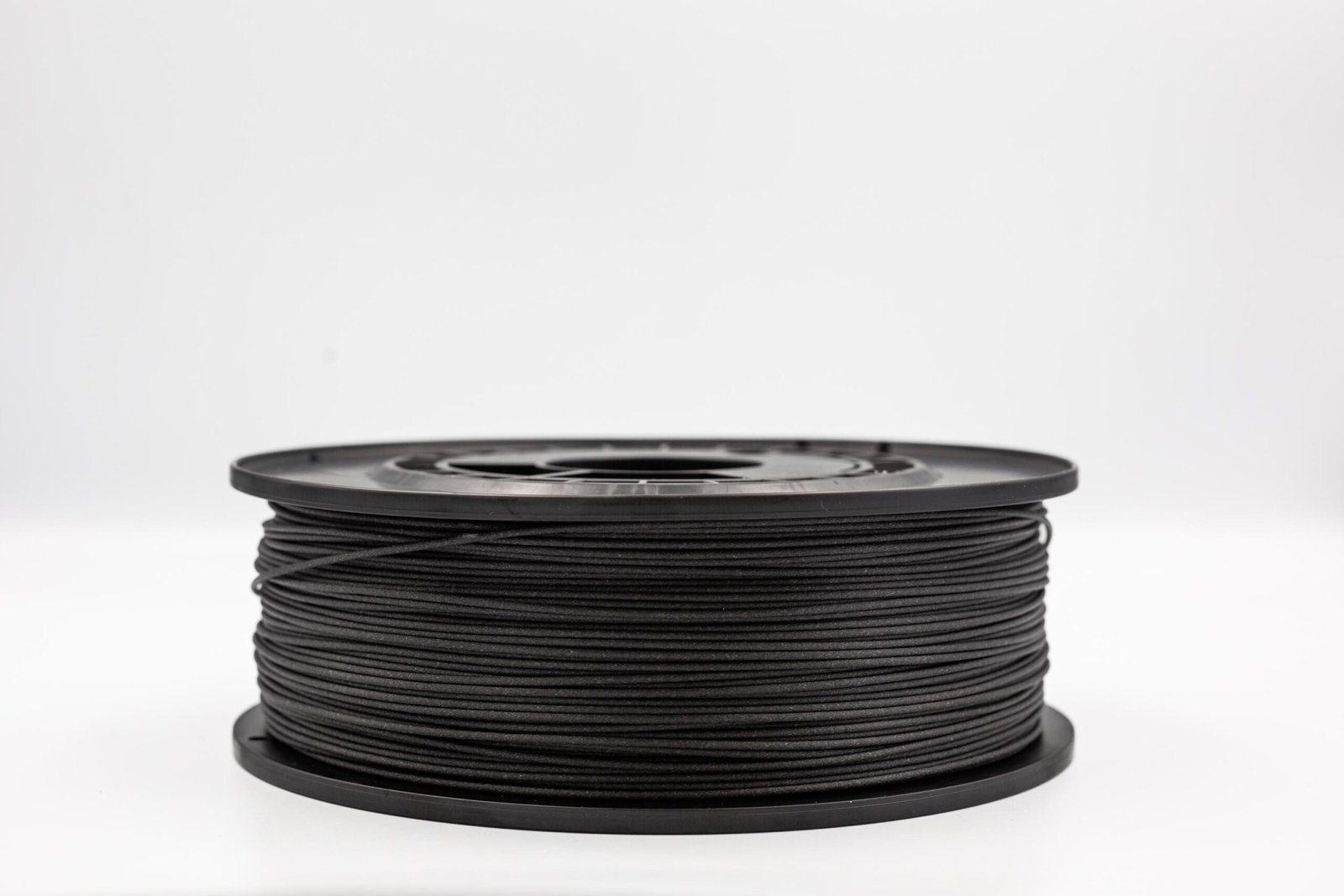
PA12-CF15 is a high-performance nylon filament reinforced with approximately 15 percent chopped carbon fiber. This reinforcement dramatically changes the mechanical behavior of the base polymer. Unlike unfilled nylon, PA12-CF15 is engineered for rigidity, reduced deformation, and structural reliability. When discussing PA12-CF15 material properties, stiffness and dimensional stability stand out immediately. Carbon fibers act as internal reinforcement, limiting polymer chain movement and reducing flex under load. This makes PA12-CF15 ideal for applications where precision and strength retention matter.
What Is Standard Nylon Filament
Standard nylon filaments, such as PA6 or PA12 without reinforcement, are known for toughness, abrasion resistance, and impact absorption. They are flexible, resilient, and capable of handling repeated stress cycles. However, standard nylon tends to deform more under sustained loads and is more sensitive to heat and moisture. In the debate of PA12-CF15 vs standard nylon, flexibility versus rigidity becomes one of the most important decision points.
Why Material Choice Matters for Engineering Applications
Engineering components are rarely static. They face vibration, load cycles, temperature changes, and environmental exposure. Choosing the wrong filament can lead to creep, warping, or premature failure. Understanding PA12-CF15 durability and weight behavior compared to standard nylon helps ensure long-term performance rather than short-term success.
The Role of Carbon Fiber Reinforcement in PA12-CF15
How 15 Percent Carbon Fiber Alters the Polymer Structure
Carbon fibers embedded in PA12 significantly restrict molecular movement. This structural change improves stiffness and load distribution while reducing internal stress concentration. These changes are central to PA12-CF15 material properties, especially in load-bearing parts.
Stiffness, Rigidity, and Load Distribution Benefits
One of the most noticeable differences in PA12-CF15 vs standard nylon is rigidity. Standard nylon bends under load, while PA12-CF15 resists flexing and maintains shape. This rigidity allows parts to hold tolerances under stress, which is critical for mechanical brackets, frames, and fixtures.
Reduced Deformation Under Mechanical Stress
PA12-CF15 durability is especially evident under long-term mechanical stress. Where standard nylon may slowly deform due to creep, PA12-CF15 maintains its geometry. This makes it suitable for end-use parts rather than just prototypes.
Durability Comparison: PA12-CF15 vs Standard Nylon
Tensile Strength and Impact Resistance Differences
In direct tensile testing, PA12-CF15 consistently outperforms standard nylon in stiffness and load resistance. While standard nylon absorbs impact energy better, PA12-CF15 durability shines in applications where rigidity and shape retention matter more than flexibility.
Fatigue Resistance in Repeated-Load Applications
Repeated stress cycles can expose weaknesses in flexible materials. Standard nylon excels in absorbing shock, but over time it may experience fatigue deformation. PA12-CF15 distributes stress more evenly across carbon fibers, reducing fatigue-related wear.
Performance Under Long-Term Mechanical Stress
For parts subjected to continuous load, PA12-CF15 vs standard nylon is not a close contest. PA12-CF15 maintains strength and geometry over extended periods, making it ideal for industrial and mechanical environments.
Weight Efficiency and Strength-to-Weight Ratio
Why PA12-CF15 Achieves Higher Strength at Lower Weight
One of the biggest PA12-CF15 weight advantages is its superior strength-to-weight ratio. Carbon fiber reinforcement increases stiffness without significantly increasing mass. This allows designers to reduce material volume while maintaining or improving strength.
Lightweight Advantages in Structural Components
In drones, robotics, and automotive applications, every gram matters. PA12-CF15 weight advantages allow engineers to create lighter parts without sacrificing durability. This directly improves energy efficiency and performance.
Application-Specific Weight Savings
By redesigning components around PA12-CF15 material properties, engineers can reduce wall thickness and internal supports. Compared to standard nylon, this leads to measurable weight reduction without compromising structural integrity.
Thermal Stability and Environmental Resistance
Heat Resistance and Dimensional Stability
Standard nylon softens and deforms more easily under elevated temperatures. PA12-CF15, thanks to carbon fiber reinforcement, maintains dimensional stability across a wider temperature range. This further reinforces the durability gap in PA12-CF15 vs standard nylon comparisons.
Moisture Absorption Compared to Standard Nylon
Moisture absorption is a known weakness of nylon. While both materials absorb moisture, PA12-CF15 does so at a lower rate. Reduced moisture sensitivity enhances PA12-CF15 durability, especially in humid or outdoor environments.
Performance in Harsh or Outdoor Conditions
UV exposure, temperature fluctuation, and moisture can degrade standard nylon over time. PA12-CF15’s reinforced structure improves resistance to environmental stressors, extending part lifespan.
Printability and Dimensional Accuracy Considerations
Warping and Shrinkage Behavior
PA12-CF15 exhibits lower shrinkage than standard nylon, reducing warping during printing. This improves dimensional accuracy, especially in large or complex parts. These print advantages stem directly from PA12-CF15 material properties.
Surface Finish and Layer Adhesion
While carbon fiber creates a matte, textured surface, it also enhances layer bonding consistency. Standard nylon can produce smoother surfaces, but PA12-CF15 prioritizes mechanical performance over aesthetics.
Printer and Nozzle Requirements for PA12-CF15
Printing PA12-CF15 requires hardened nozzles due to its abrasive fibers. While standard nylon is easier to print, the performance benefits often justify the additional setup when comparing PA12-CF15 vs standard nylon.
Real-World Applications Where PA12-CF15 Excels
Automotive and Mechanical Components
Engine mounts, brackets, and housings benefit directly from PA12-CF15 durability and rigidity. These parts must hold shape under load and heat, making PA12-CF15 a preferred option.
Drones, Robotics, and Lightweight Frames
Weight reduction is critical in mobile systems. PA12-CF15 weight advantages allow stronger frames with less mass, improving speed, efficiency, and payload capacity.
Industrial Jigs, Fixtures, and End-Use Parts
Industrial environments demand repeatable precision. PA12-CF15 maintains tight tolerances, outperforming standard nylon in long-term reliability.
When Standard Nylon Is Still the Better Choice
Flexibility and Impact Absorption Needs
Not all applications require rigidity. Flexible hinges, snap-fit components, and shock-absorbing parts still benefit from standard nylon’s elasticity.
Cost and Ease-of-Printing Considerations
Standard nylon remains more accessible and forgiving. For rapid prototyping or low-load parts, it can be more practical than PA12-CF15.
Prototyping vs End-Use Production
In early design stages, standard nylon allows faster iteration. PA12-CF15 is better suited for final designs where durability and weight efficiency matter.
Choosing the Right Material for Your Project
Evaluating Load, Weight, and Durability Requirements
Understanding load paths, expected stress, and environmental exposure is essential. If stiffness and long-term reliability are priorities, PA12-CF15 vs standard nylon comparisons often favor PA12-CF15.
Matching Filament Properties to Application Demands
Designing around PA12-CF15 material properties allows engineers to unlock new performance levels not achievable with standard nylon.
Long-Term Performance vs Short-Term Cost
While PA12-CF15 may have a higher upfront cost, its durability and reduced failure risk often result in lower total lifecycle costs.
Final Thoughts on PA12-CF15 vs Standard Nylon
Key Takeaways for Engineers and Advanced Makers
The comparison of PA12-CF15 vs standard nylon is ultimately about intent. Standard nylon offers flexibility and ease, while PA12-CF15 delivers structural precision, durability, and weight efficiency.
Why PA12-CF15 Is Redefining High-Performance Nylon Printing
With superior PA12-CF15 durability, refined PA12-CF15 material properties, and clear PA12-CF15 weight advantages, this filament represents a shift toward true engineering-grade 3D printing. For applications where performance matters more than convenience, PA12-CF15 stands in a category of its own