
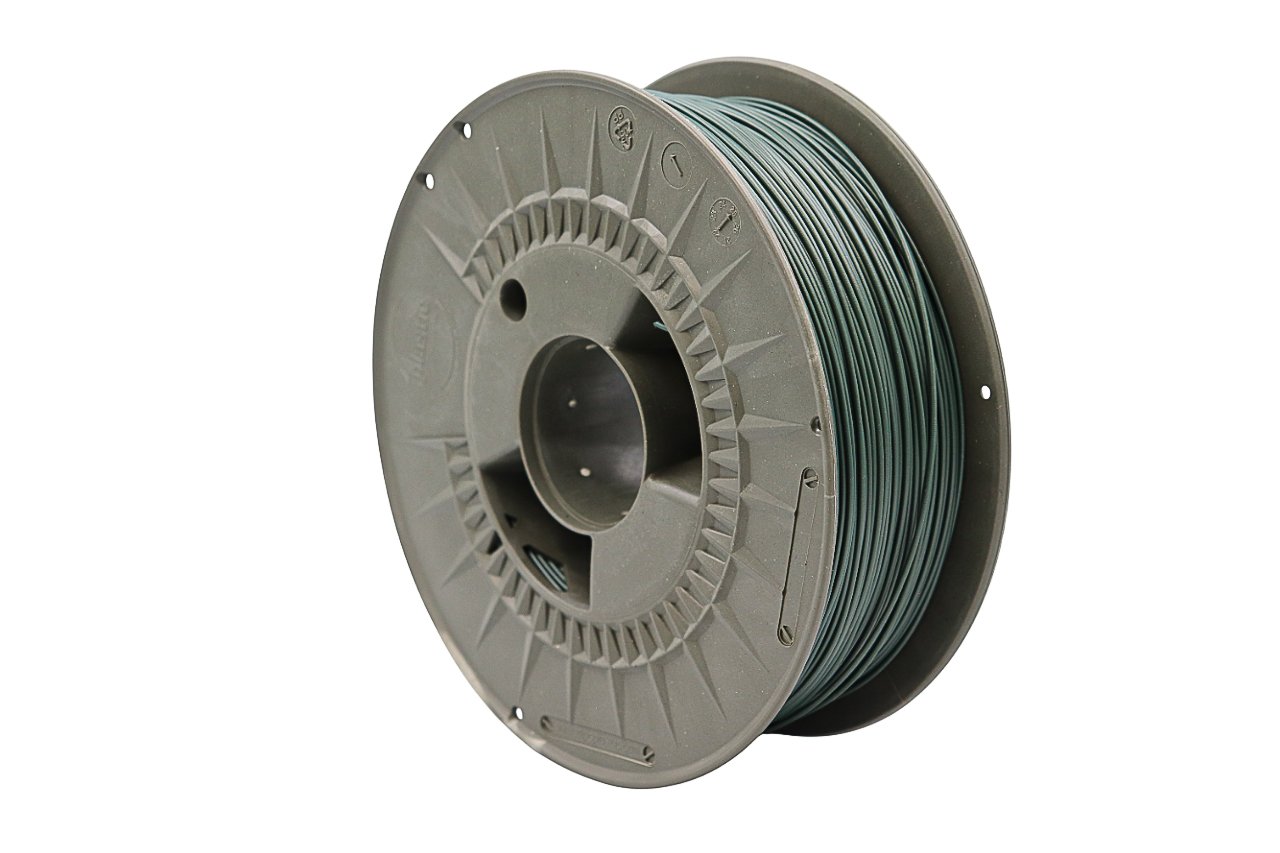
When it comes to 3D printing clear, tough, and reliable prototypes, few materials strike the perfect balance between strength and visual appeal like PCTG filament. While PETG has long been the go-to for strong, semi-transparent parts, PCTG bundles take it a step further—offering superior impact resistance, optical clarity, and printing consistency. Whether you’re prototyping transparent casings, durable functional parts, or industrial components that need to endure mechanical stress, understanding how to use PCTG effectively can make all the difference.
What Are PCTG Bundles?
Definition and Basic Chemistry
PCTG, or Polycyclohexylenedimethylene Terephthalate Glycol-modified, is a thermoplastic polyester belonging to the same family as PETG. However, it offers enhanced toughness and transparency due to its molecular structure. PCTG bundles typically include multiple spools of clear or tinted transparent filament designed for consistent printing results across different projects.
How PCTG Differs from Standard PCTG Filament
The “bundle” concept goes beyond simple packaging. These bundles often feature optimized spools calibrated for transparency and impact resistance, ensuring uniform performance and color accuracy. They allow creators to experiment with different shades of clear and translucent finishes without compromising print integrity.
Why Choose PCTG for Transparent, Impact-Resistant Prototypes
Unlike standard PETG, PCTG transparent filament offers higher impact resistance (up to 20% more), making it ideal for functional parts and prototypes that demand both durability and visibility. The material’s balance between rigidity and flexibility ensures it won’t crack under stress while maintaining a high-gloss finish that mimics glass.
Key Advantages of Using PCTG Bundles for Prototypes
Excellent Impact Resistance
One of the standout features of PCTG is its toughness. It performs exceptionally well in drop or pressure tests, maintaining its structure even under repeated stress. This makes it perfect for components that must endure mechanical wear or assembly testing.
High Optical Clarity and Gloss for Transparent Parts
A 3D print transparent using PCTG bundles results in a smooth, glossy surface that transmits light effectively. Compared to PETG transparent parts, PCTG achieves higher optical purity with minimal cloudiness, especially when printed at optimal temperatures.
Thermal and Chemical Stability
PCTG resists many industrial solvents and holds up under heat better than PLA or ABS. This property allows prototypes to withstand both environmental stress and moderate thermal exposure without deforming.
Ease of Printing and Compatibility
Most PCTG bundles are designed for wide printer compatibility. They perform well on standard FDM printers with 0.4 mm nozzles and heated beds, requiring minimal tuning once correct settings are established.
Considerations and Potential Drawbacks
Cost vs Standard Filament Options
Because of its enhanced formulation and optical purity, PCTG tends to cost slightly more than PETG or PLA. However, its durability often offsets the higher price for professional use.
Moisture Absorption and Drying Requirements
Like other copolyesters, PCTG is hygroscopic—it absorbs moisture from the air. Always store it in a dry box and dry before printing to prevent bubbles and stringing that affect transparency.
Limited Colour or Finish Options
While transparent filament varieties are stunning, color options remain limited compared to standard PETG or PLA. The focus is usually on clear, blue-tinted, or frosted versions.
Printer and Slicer Settings
PCTG requires slightly higher temperatures (around 250 °C – 270 °C) than PETG, along with reduced cooling to promote layer adhesion and optical clarity.
Ideal Applications: Transparent and Impact-Resistant Prototypes
Functional Prototypes Under Mechanical Load
For parts like brackets, clips, or connectors, PCTG delivers outstanding mechanical resilience. It’s an excellent choice for engineers testing parts before moving to injection molding.
Transparent Covers, Display Cases, and Enclosures
Designers creating enclosures for electronics or mechanical assemblies benefit from the crystal-clear finish of PCTG transparent filament. It’s also ideal for lighting prototypes or display models.
Industrial, Automotive, and Consumer Applications
From durable headlight covers to protective casings and appliance housings, PCTG combines professional-grade toughness with visual appeal.
How to Use PCTG Bundles: Step-by-Step Guide
Pre-Printing Preparation
Ensure filaments are completely dry before use—ideally at 65 °C for 4–6 hours. Inspect each spool in your bundle for color uniformity and label specifications.
Printer Setup and Slicer Settings
Use a nozzle temperature between 250 °C – 270 °C and bed temperature around 80 °C – 90 °C. Minimize fan speed to improve layer bonding, which enhances both impact strength and transparency.
Printing Transparent Parts
For 3D print transparent results, use thicker perimeters, lower infill, and a slow print speed (25–40 mm/s). Avoid using supports that could scratch or mar the surface.
Printing for Impact Resistance
To maximize strength, use a higher infill density (50–70%) and more perimeter walls. Keep print orientation in mind—layer adhesion plays a vital role in resisting impact stress.
Post-Processing
Light sanding with fine-grit paper, followed by clear coating or vapor polishing, enhances gloss and transparency. Annealing at 80 °C can also improve dimensional stability and toughness.
PCTG Bundles vs Other Filament Options
PCTG Bundles vs Standard PCTG
Bundles ensure consistency across projects, with pre-tested combinations optimized for transparency, flow, and bonding. They’re also more cost-efficient than buying single spools separately.
PCTG Bundles vs PETG
While PETG is widely used for clear parts, PCTG outperforms it in clarity, toughness, and temperature resistance. PETG transparent parts tend to show micro-bubbles under high stress—PCTG avoids this with its more stable molecular structure.
PCTG Bundles vs PLA, ABS, and ASA
PLA offers ease of printing but lacks toughness. ABS and ASA are stronger but opaque. PCTG fills the gap—combining printability, transparency, and strength.
Selecting the Right PCTG Bundle for Your Project
Transparent vs Translucent vs Tinted Clear Options
Bundles may include different degrees of clarity—pure transparent for visibility or frosted translucent for diffused light effects. Choose based on your prototype’s visual needs.
Impact-Resistant or Reinforced Variants
Some PCTG bundles feature reinforced filaments, improving impact strength further without compromising clarity.
Printer Compatibility and Support
Ensure your printer’s nozzle and bed can handle PCTG’s temperature range. Always check manufacturer guidelines included in the bundle.
Cost-Benefit for Project Scale
For batch prototypes or client presentations, bundles save money and maintain consistency—ideal for small design studios and industrial labs.
Best Practices and Troubleshooting
Storage and Moisture Control
Use vacuum-sealed bags with desiccant packs. Store spools in a dry box during long prints.
Managing Stringing and Layer Adhesion
If you notice stringing, lower print temperature slightly and increase retraction distance. For weak adhesion, reduce cooling or slow print speed.
Maximising Transparency and Minimising Defects
Print slowly, with fewer seams and minimal supports. Polish the surface after printing to achieve a glass-like finish.
Testing for Impact Resistance
Drop-test or flex your prototypes under controlled force to verify their strength performance compared to PETG or PLA equivalents.
Conclusion
PCTG bundles give creators and engineers a new edge in producing transparent, impact-resistant prototypes that outperform PETG in both strength and aesthetics. From functional mechanical parts to polished design mock-ups, PCTG combines the best of both durability and clarity. By mastering the right print settings, preparation, and finishing techniques, you can achieve professional-grade results straight from your desktop printer. Explore the full range of PCTG transparent filaments and premium 3D printing materials at FilaLab.shop—your partner in turning innovative concepts into reality.