
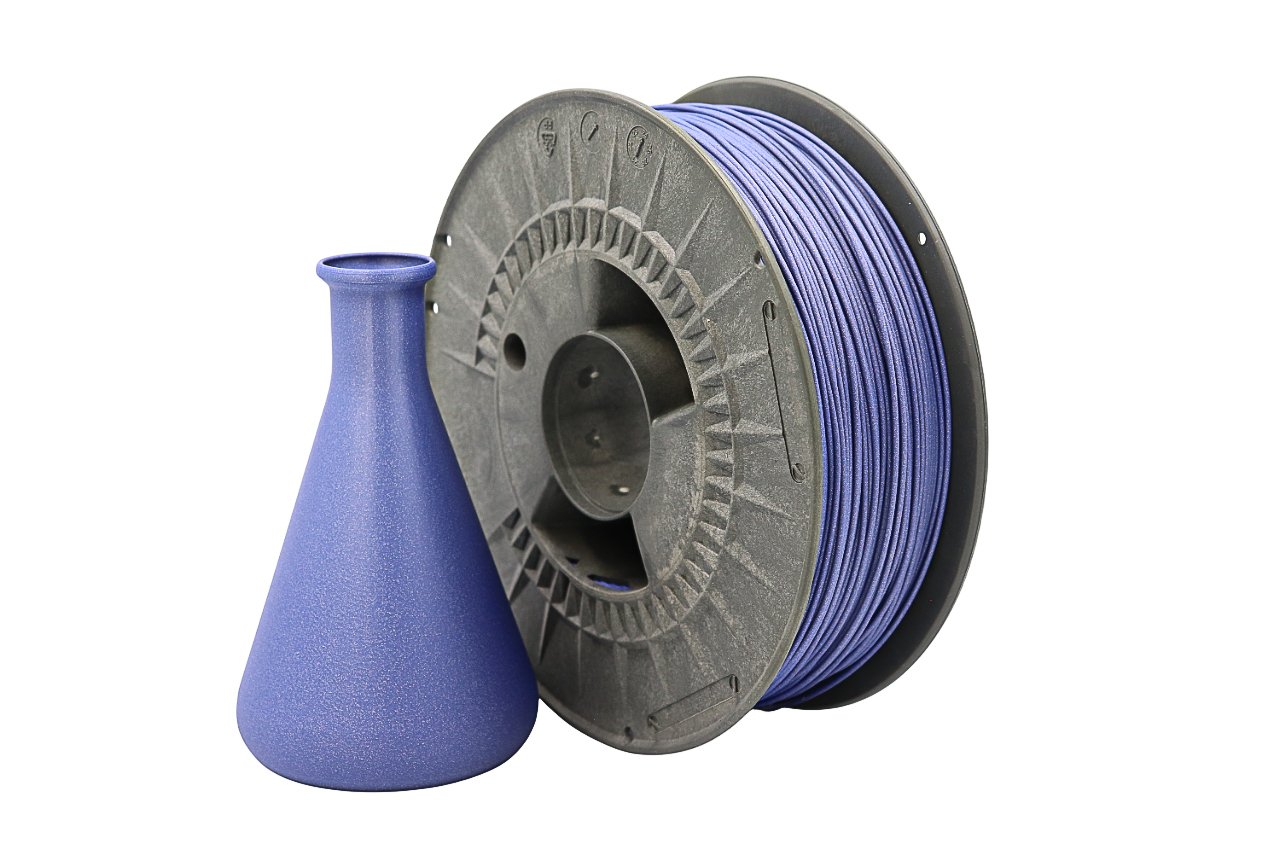
Moisture is one of the most underestimated enemies in 3D printing. Even a brand-new spool can arrive already compromised, and once filament absorbs humidity from the air, print quality starts to drop fast. Stringing, popping sounds, weak layer adhesion, and rough surfaces are usually not printer issues but moisture issues. That’s why understanding how to dry filament properly and how to store filament afterward is just as important as dialing in slicer settings.
This guide explains why filament absorbs moisture, how to dry PLA, PETG, Nylon, and TPU correctly, the exact temperatures and times required, and the most common mistakes that quietly ruin prints.
Why Moisture Matters for Filament
Most thermoplastics used in 3D printing are hygroscopic, meaning they naturally absorb moisture from the surrounding air. Some materials do this slowly, while others absorb water extremely fast. Once moisture enters the filament, it turns into steam during extrusion, disrupting material flow and degrading print quality.
Typical symptoms of wet filament include popping or sizzling sounds from the nozzle, rough or pitted surfaces, excessive stringing and oozing, weak layer bonding, and brittle or inconsistent extrusion. Knowing how to store filament is essential, but storage alone won’t fix filament that is already wet. Drying must come first, and storage keeps it dry afterward.
How Moisture Affects Each Material
PLA absorbs moisture slower than many other filaments, but even small amounts can cause stringing and surface defects. PETG is moderately hygroscopic and often shows bubbling and inconsistent gloss when wet. Nylon is extremely hygroscopic and can become nearly unprintable within hours of exposure. TPU absorbs moisture easily, leading to unstable extrusion and excessive stringing.
Each filament type requires a specific drying approach. There is no single temperature or time that works for all materials.
Drying Filament: Best Practices
Drying filament is not about using high heat. It is about applying controlled temperature over enough time to remove internal moisture without deforming the filament or softening the spool. The most important rule is to stay below the material’s glass transition temperature.
General best practices include using stable heat, allowing airflow around the spool, avoiding direct contact with heating elements, and letting the filament cool inside the dryer before printing. Drying and how to store filament are inseparable steps. If filament is dried correctly but stored poorly, moisture will return quickly.
Recommended Drying Equipment
Dedicated filament dryers offer the safest and most consistent results. Food dehydrators also work very well due to their airflow and stable temperatures, especially for Nylon. Kitchen ovens can be used with caution but are risky due to temperature fluctuations. DIY enclosures are acceptable only if temperature is carefully monitored. Heat guns and uncontrolled heat sources should always be avoided.
Preparing Filament for Drying
Before drying, remove the filament from plastic packaging but keep it on the spool. Make sure air can circulate around the spool and avoid stacking multiple spools during drying. Once drying is complete, the filament should be transferred immediately into proper storage. Knowing how to store filament correctly prevents moisture from re-entering the material.
Optimal Drying Temperatures & Times
Each filament type has a safe temperature window. Starting lower and extending drying time is always safer than increasing heat.
PLA Drying
PLA should be dried at 40–45°C for 4–6 hours. PLA is sensitive to heat, and temperatures that are too high can soften the filament or deform the spool. PLA benefits greatly from understanding how to store filament in sealed containers after drying, as it slowly absorbs moisture over time.
PETG Drying
PETG dries best at 50–55°C for 4–6 hours. PETG tolerates higher temperatures than PLA but still requires care. Proper drying improves extrusion consistency, surface finish, and layer adhesion. Once dried, PETG remains stable when you know how to store filament using desiccants.
Nylon Drying
Nylon requires higher temperatures and longer times. Dry Nylon at 70–80°C for 8–12 hours. Partial drying is ineffective with Nylon, and many users print directly from a filament dryer. Understanding how to store filament is critical for Nylon, as exposure to air quickly reintroduces moisture.
TPU Drying
TPU should be dried at 45–50°C for 4–6 hours. Moist TPU becomes stringy and difficult to control. Drying restores clean extrusion and predictable flexibility. TPU reabsorbs moisture rapidly, so knowing how to store filament properly between prints is essential.
Storage After Drying
Drying filament without proper storage wastes time and effort. Filament starts absorbing moisture again as soon as it is exposed to air. Effective storage relies on airtight containers, fresh desiccant, and controlled humidity below 20% RH. Labeling spools with the drying date helps track maintenance.
Airtight Containers & Moisture Control
Vacuum-sealed bags with desiccant, sealed storage boxes with humidity indicators, and gasket-sealed plastic containers all work well. Learning how to store filament correctly reduces how often drying is needed and keeps print quality consistent over time.
Common Drying Mistakes to Avoid
Using excessive heat can warp filament and melt spools. Drying for too little time leaves moisture trapped inside. Ignoring material-specific requirements leads to inconsistent results. Drying filament but storing it improperly causes moisture to return. Many print issues blamed on slicer settings are actually drying or storage mistakes. Mastering how to store filament eliminates many recurring failures.
Quick Troubleshooting Guide
If filament still pops after drying, increase drying time rather than temperature. Brittle filament often indicates overheating. Persistent stringing usually means moisture exposure during storage. If Nylon prints remain inconsistent, printing directly from a dryer may be necessary.
Conclusion
Consistent, high-quality 3D printing begins long before the first layer. Knowing how to dry filament properly and how to store filament afterward makes a measurable difference in print quality, strength, and reliability. PLA, PETG, Nylon, and TPU each require different drying conditions, but the core principles remain the same: controlled heat, adequate time, and airtight storage. Once drying and storage are handled correctly, your printer and materials can finally perform as intended.