
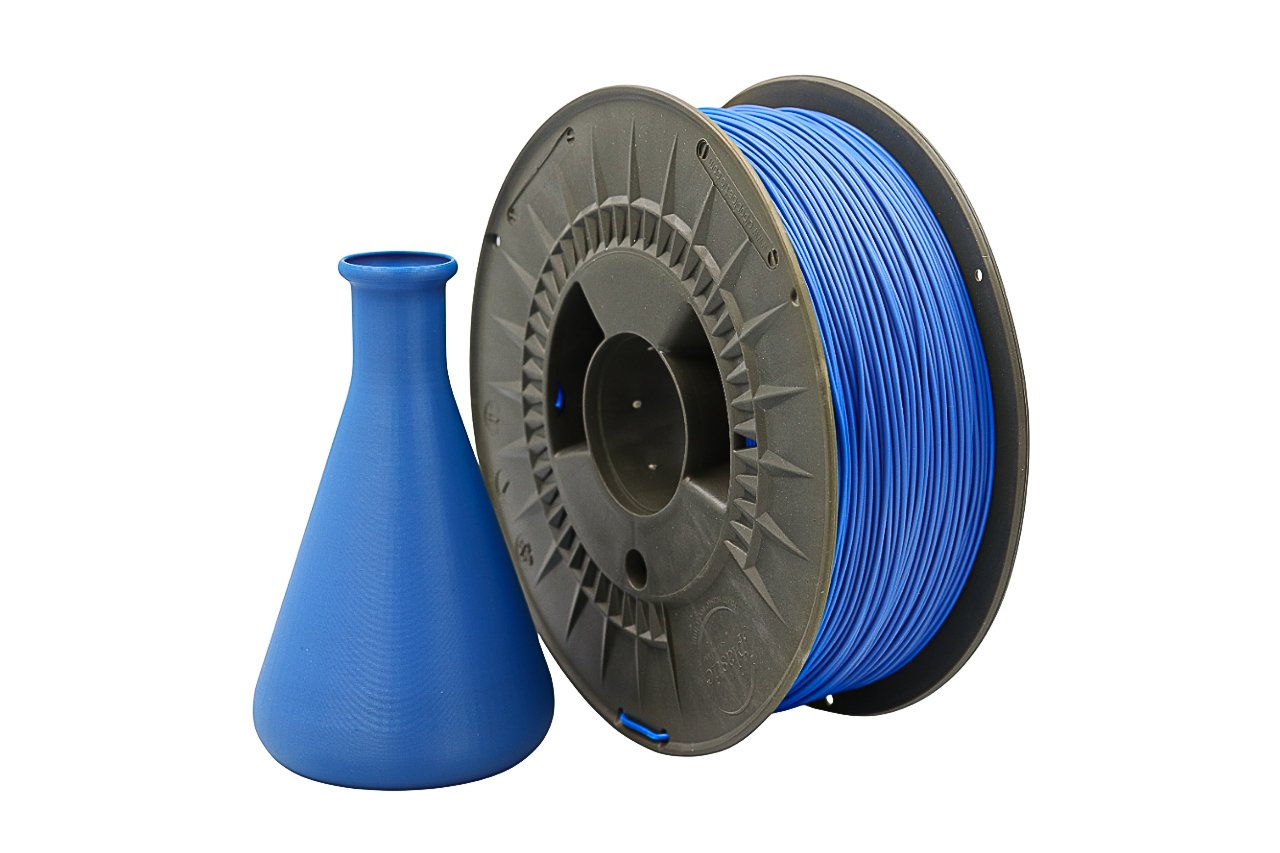
Choosing the right 3D printing filament in 2026 is no longer about what’s easiest to print—it’s about what survives real-world use. As more makers, engineers, and small manufacturers move beyond decorative prints into functional, load-bearing, and outdoor parts, material selection has become critical. PLA, PETG, and ASA remain three of the most commonly compared filaments, but the conversation has evolved. Today, comparisons like pctg vs petg are just as important as PLA vs ASA when deciding what actually works long term. This article breaks down PLA, PETG, and ASA from a practical perspective—strength, durability, weather resistance, and real-life applications—so you can confidently choose the right filament for your next project.
PLA vs PETG vs ASA — Head-to-Head Comparison
Ease of Printing
PLA continues to dominate when it comes to ease of printing. It flows smoothly, adheres well to most build plates, and rarely warps. This makes PLA ideal for beginners, rapid prototyping, and educational environments. PETG sits in the middle. It prints at higher temperatures than PLA and requires some tuning to avoid stringing, but it remains very accessible. Interestingly, many users comparing pctg vs petg note that PETG’s printability is good, but not always predictable with fine tolerances. ASA is the most demanding of the three. It requires an enclosure, stable temperatures, and careful bed adhesion. However, the added difficulty comes with major performance benefits that PLA and PETG simply cannot match.
Strength & Durability
PLA is stiff and dimensionally accurate but brittle under stress. It performs well for static parts but cracks or deforms under repeated load. PETG improves significantly on toughness. It offers flexibility without snapping, making it useful for clips, enclosures, and mechanical components. In pctg vs petg comparisons, PETG often wins on availability and cost, but not always on long-term impact resistance. ASA provides the best overall durability. It maintains structural integrity under mechanical stress and is far more stable over time, making it suitable for demanding applications.
Heat Resistance
Heat resistance is where PLA falls behind quickly. Even moderate temperatures—such as a car interior in summer—can soften PLA. PETG handles heat better, making it suitable for functional indoor parts. When discussing pctg vs petg, PETG typically withstands slightly higher temperatures than PLA but still struggles in high-heat outdoor environments. ASA is designed for heat resistance. It remains stable in hot conditions and outperforms both PLA and PETG when temperature exposure is unavoidable.
UV & Weather Resistance
PLA degrades under UV exposure, becoming brittle and discolored over time. PETG offers moderate UV resistance. In many pctg vs petg evaluations, PETG is seen as acceptable for limited outdoor use but not ideal for long-term exposure. ASA is specifically engineered for outdoor durability. It resists UV radiation, moisture, and temperature cycling far better than both PLA and PETG, making it the clear choice for exterior parts.
Chemical Resistance
PLA has limited chemical resistance and degrades when exposed to solvents or oils. PETG performs better, resisting water, mild chemicals, and many household substances. In pctg vs petg discussions, PETG is often compared with PCTG because both offer superior chemical resistance compared to PLA. ASA delivers strong chemical stability, suitable for industrial and automotive environments where exposure is unavoidable.
Surface Finish & Aesthetics
PLA offers the best surface finish straight off the printer, making it ideal for visual models. PETG produces a glossy finish but can show stringing. Many users comparing pctg vs petg note that PCTG often offers clearer, smoother surfaces, though PETG remains popular for functional aesthetics. ASA has a matte, professional look and maintains appearance over time, especially outdoors.
Cost & Availability
PLA is the most affordable and widely available filament. PETG sits in the mid-range and is commonly stocked. In pctg vs petg pricing discussions, PETG is often slightly cheaper and more accessible than PCTG. ASA is typically more expensive due to its performance characteristics, but the cost is justified for real-world use cases.
Real-World Use Cases — When to Choose Each Filament
Best for Beginners & Prototyping
PLA is ideal for fast iteration, concept models, and non-load-bearing parts. It’s perfect when appearance matters more than performance.
Best for Functional Parts & Moderate Stress
PETG excels here. It’s suitable for brackets, housings, and mechanical components used indoors. In many pctg vs petg scenarios, PETG is chosen for its balance between strength and cost, especially when PCTG is not required.
Best for Outdoor or High-Stress Parts
ASA is the clear winner for outdoor mounts, automotive parts, tool holders, and structural components exposed to sun and heat.
Practical Printing Tips for PLA, PETG & ASA
PLA prints well at lower temperatures and benefits from cooling. PETG requires controlled cooling and clean build surfaces. When tuning prints during pctg vs petg testing, retraction settings are critical to reduce stringing. ASA demands an enclosure, minimal airflow, and consistent temperatures to prevent warping and cracking.
Side-by-Side Property Summary
PLA is easy and affordable but weak in harsh conditions. PETG is versatile, tougher, and more heat-resistant. ASA delivers professional-grade durability for real-world use.
Conclusion — Which Filament Should You Choose in 2026?
If your goal is fast prints and visual models, PLA still has its place. For functional indoor parts, PETG remains a reliable option, especially when cost matters and pctg vs petg considerations lean toward PETG’s accessibility. However, if your project involves outdoor exposure, heat, or long-term mechanical stress, ASA is the filament that actually lasts. In 2026, filament choice is about longevity, not convenience. Understanding the trade-offs—and knowing where pctg vs petg fits into the broader material landscape—ensures your prints don’t just look good, but perform where it truly matters.