
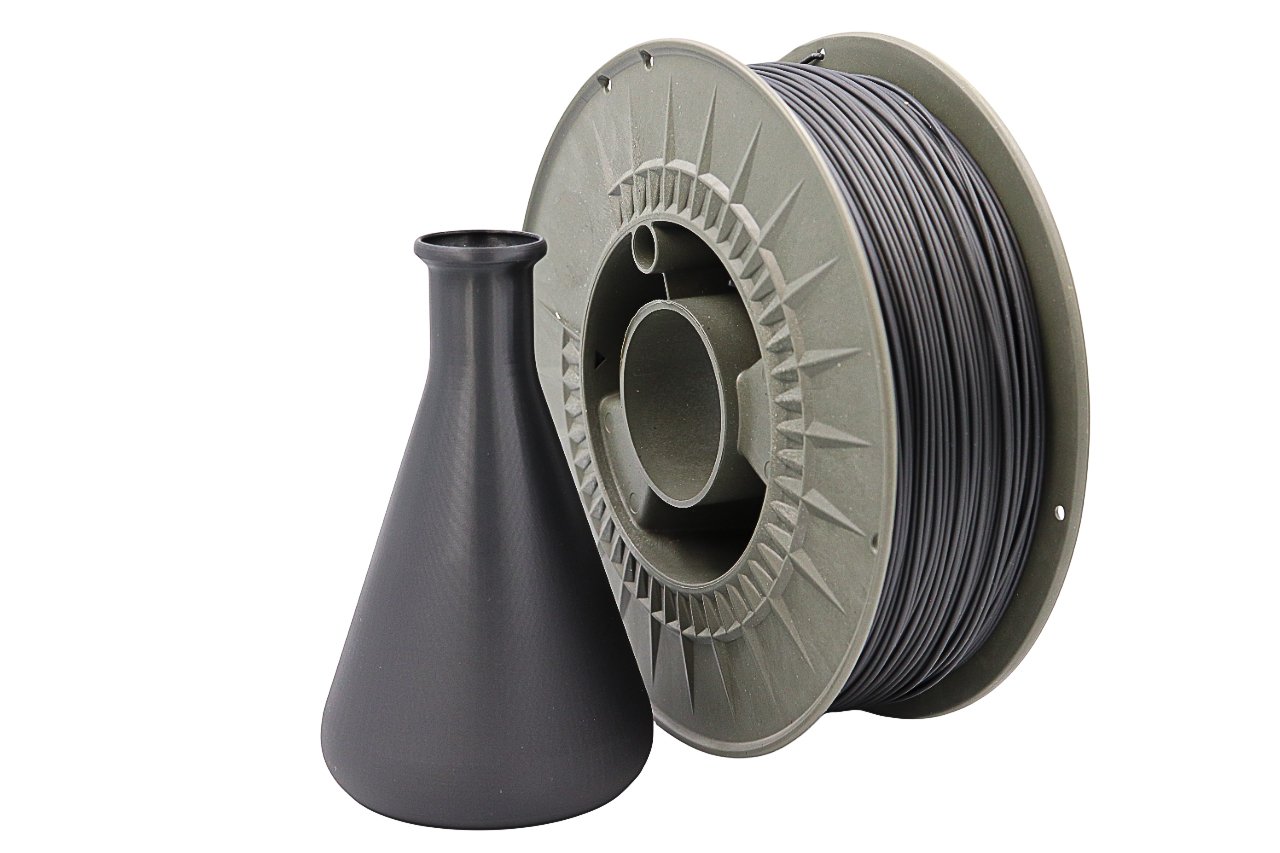
ASA filament has earned a strong reputation among makers who need outdoor-ready, UV-resistant, and weather-stable prints. But if you’ve worked with ASA even a little, you already know the downside: warping and layer splitting can quickly ruin an otherwise perfect print. This guide breaks down why these issues happen, how to diagnose them, and—most importantly—how to apply a reliable asa warping fix that actually works in real-world printing conditions.
Introduction to ASA Warping & Layer Splitting
ASA warping and layer splitting are not random failures—they are symptoms of thermal stress. ASA shrinks as it cools, and when that shrinkage happens unevenly, prints lift from the bed or split between layers. Because ASA is designed for durability and heat resistance, it naturally demands more control than PLA or PETG. This guide is built to help you identify the root causes and apply consistent asa warping fix strategies so your prints stay flat, strong, and outdoor-ready from the first layer to the last.
Understanding ASA Filament and Outdoor Printing Challenges
What Makes ASA Great for Outdoor Use
ASA (Acrylonitrile Styrene Acrylate) is favored for outdoor applications because it resists UV degradation, moisture exposure, and temperature fluctuations far better than PLA or ABS. It maintains color stability and mechanical strength over time, making it ideal for outdoor brackets, enclosures, signage, and functional parts. However, those same properties mean ASA retains heat longer, which directly contributes to warping if temperature control isn’t precise. Any effective asa warping fix must account for this thermal behavior.
How Warping & Layer Splitting Happen
Warping occurs when the bottom layers cool and contract faster than the rest of the print, pulling edges upward. Layer splitting happens when upper layers cool too quickly, preventing proper fusion with the layer below. Both problems are amplified by drafts, poor bed adhesion, or incorrect temperature settings.
Preparing Your Printer for Success
Ensuring the Perfect First Layer
The first layer is the foundation of any ASA print. Even minor inconsistencies here can undo every other asa warping fix you apply later. Bed leveling must be precise across the entire build surface, first layer height should slightly compress the filament, and slow first-layer speeds help improve adhesion. If the first layer doesn’t bond properly, ASA’s shrinkage will lift it—no matter how good your later settings are.
Optimizing Bed Adhesion
ASA requires stronger bed adhesion than PLA. Reliable techniques include using a brim to increase surface contact, printing on PEI or textured build plates, and applying adhesive aids like glue stick or specialized bed coatings. Many failed prints blamed on filament quality are actually missing a fundamental asa warping fix at the adhesion stage.
Key Print Settings to Prevent Warping & Splitting
Temperature Settings That Matter
ASA needs heat—consistently and evenly. Typical temperature ranges are 245–260 °C for the nozzle and 90–110 °C for the heated bed. If the nozzle temperature is too low, layers won’t bond and splitting occurs. If the bed temperature is too cool, edges lift. One of the most overlooked asa warping fix strategies is increasing temperatures gradually instead of making large adjustments all at once.
Cooling Settings and Enclosures
Cooling fans are a common cause of ASA failures. Unlike PLA, ASA benefits from minimal or completely disabled part cooling. Sudden cooling creates internal stress that leads directly to cracking and separation. An enclosure is essential for consistent ASA printing because it stabilizes ambient temperature, eliminates drafts, and greatly improves the success rate of any asa warping fix you apply.
Practical Troubleshooting Steps
Identifying and Fixing Warping
Warping often shows up as lifted corners, curled edges, or prints detaching mid-job. When this happens, increase the bed temperature slightly, add or widen a brim, reduce print speed, and make sure the enclosure remains fully closed during the print. Warping is rarely caused by a single mistake—successful asa warping fix solutions usually involve multiple small improvements working together.
Handling Layer Splitting
Layer splitting typically appears in taller prints where heat retention becomes inconsistent. Increasing nozzle temperature by 5–10 °C, disabling part cooling fans, and slowing print speed allows better layer fusion. Layer splitting is a bonding issue caused by heat loss, not material weakness, and a proper asa warping fix always focuses on thermal consistency.
Advanced Tips for Outdoor-Ready ASA Prints
Material Storage and Handling
Although ASA absorbs less moisture than materials like Nylon, improper storage still causes extrusion inconsistencies and weak layer bonding. Moist filament can sabotage even the best asa warping fix setup. Store ASA in sealed containers with desiccant and dry it before important prints when humidity levels are high.
Post-Processing Options
Post-processing can further improve ASA print durability. Light sanding removes brim marks, controlled annealing helps relieve internal stress, and chemical smoothing can seal the surface for enhanced weather resistance. These steps don’t replace a proper asa warping fix, but they can improve long-term outdoor performance.
Common ASA Print Mistakes & How to Avoid Them
Common mistakes include printing ASA without an enclosure, using PLA-style cooling settings, neglecting first-layer calibration, and printing too fast for proper heat transfer. Each of these errors directly undermines any asa warping fix attempt and leads to repeated failures.
Conclusion
ASA is one of the best materials for outdoor-ready 3D prints when handled correctly. Warping and layer splitting are not flaws in the filament but signs that temperature control, adhesion, or environment need adjustment. By dialing in bed adhesion, maintaining stable heat, using an enclosure, and applying proven asa warping fix strategies throughout the printing process, you can achieve flat, strong, and durable ASA parts that perform reliably outdoors. ASA rewards patience and precision, and once mastered, it becomes one of the most dependable filaments for real-world applications.