
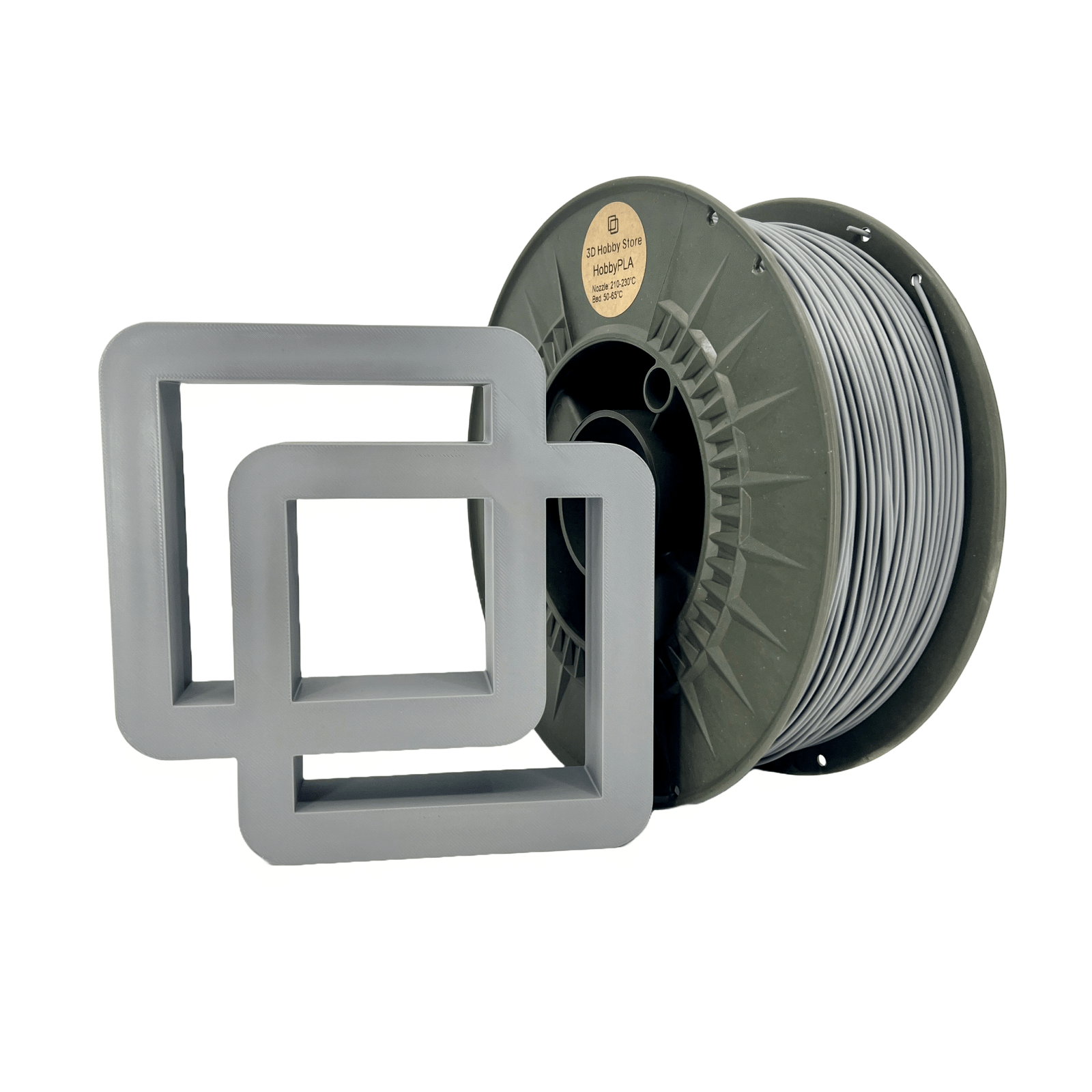
Moisture is one of the most underestimated enemies in 3D printing. Even a brand-new spool can arrive partially saturated, and once filament absorbs water, print quality drops fast. If you’re serious about consistent results, understanding how to dry filament correctly isn’t optional — it’s essential. This guide breaks down how to dry filament the right way for PLA, PETG, Nylon, and TPU, including temperatures, drying times, and common mistakes that quietly ruin prints.
Why Drying Filament Matters
What Happens When Filament Absorbs Moisture
Most 3D printing materials are hygroscopic, meaning they absorb moisture from the air. When heated in the hotend, that trapped water turns into steam, causing popping noises, inconsistent extrusion, and weak layer bonding. Learning how to dry filament prevents these issues before they reach the nozzle.
Signs Your Filament Needs Drying
Wet filament often shows excessive stringing, rough or bubbly surfaces, brittle prints, snapping during extrusion, and audible crackling sounds. If you notice these symptoms, it’s a clear sign you need to revisit how to dry filament properly.
Benefits of Properly Dried Filament
Dry filament delivers smoother surfaces, stronger parts, more accurate dimensions, and far fewer print failures. Mastering how to dry filament is one of the fastest ways to improve print quality without changing hardware.
Filament Moisture Basics
What Is Hygroscopic Filament?
PLA, PETG, Nylon, and TPU all absorb moisture, just at different rates. Nylon absorbs moisture extremely fast, while PLA does so more slowly but steadily. Understanding how to dry filament starts with recognizing how quickly each material reacts to humidity.
How Moisture Affects Print Quality
Moisture trapped inside filament disrupts extrusion consistency and reduces mechanical strength. Even if a spool looks fine, improper storage can undo weeks of good printing unless you know how to dry filament effectively.
Humidity Levels and Filament Storage
Any environment above roughly 40% relative humidity can cause filament degradation over time. Drying alone isn’t enough; proper storage must always follow a correct how to dry filament routine.
General Drying Guidelines (Temps & Times)
How Drying Works (Heat + Time + Airflow)
Drying filament relies on controlled heat applied over sufficient time. Too little heat won’t remove moisture, while too much heat can deform the spool. Airflow improves efficiency, which is why understanding how to dry filament safely matters.
General Temperature Ranges
Low-temperature materials typically dry at 40–55°C, mid-range materials at 55–65°C, and high-temperature materials at 70–90°C. Exact values depend on filament type, reinforcing that how to dry filament must always be material-specific.
Tools for Drying
Dedicated filament dryers offer the safest results, but ovens and DIY solutions can work if temperatures are carefully controlled. Regardless of the method, the core principles of how to dry filament remain the same.
Drying PLA Properly
PLA Drying Temperature
PLA dries best between 45–50°C. Higher temperatures risk softening or deforming the filament on the spool.
PLA Drying Time
PLA typically needs 4–6 hours to dry, though heavily saturated filament may require longer. If print defects persist, repeating the process is part of mastering how to dry filament correctly.
Common PLA Drying Mistakes
Overheating PLA is the most frequent mistake. Another common issue is drying once and then storing the filament poorly, which completely undermines how to dry filament.
PLA Storage After Drying
Once dried, PLA should immediately be placed in airtight containers with desiccant to maintain its condition.
Drying PETG Properly
PETG Drying Temperature
PETG performs best when dried at 55–65°C. Lower temperatures often fail to remove moisture fully.
PETG Drying Time
Drying PETG usually takes 4–8 hours depending on exposure to humidity. This variation highlights why how to dry filament differs between materials.
PETG Moisture Sensitivity Tips
PETG absorbs moisture more slowly than Nylon but faster than PLA, meaning regular drying cycles are still important.
PETG Myths vs Facts
PETG is often considered moisture-resistant, but ignoring how to dry filament with PETG leads to stringing and surface defects.
Drying Nylon (PA) Properly
Why Nylon Needs More Drying
Nylon absorbs moisture aggressively and can degrade within hours. For Nylon, understanding how to dry filament is critical, not optional.
Nylon Drying Temperature & Time
Nylon should be dried at 70–90°C for 8–12 hours. Many users also benefit from continuous drying during printing.
Best Practices for Nylon
Dry Nylon immediately before printing and keep it warm throughout long prints. This advanced approach to how to dry filament is essential for consistent results.
Nylon Storage Tips
Vacuum-sealed bags or sealed dry boxes with active desiccants are mandatory for Nylon filaments.
Drying TPU & Flexible Filaments
TPU Drying Temperature
TPU should be dried gently at 45–55°C to prevent deformation or spool warping.
TPU Drying Duration
Most TPU filaments need 4–6 hours of drying, sometimes longer for older spools. Print quality noticeably improves when how to dry filament is done properly.
Handling Flexible Filaments
TPU softens easily, so care must be taken to avoid bending or stressing the spool during drying.
Mistakes to Avoid
Overheating TPU is the most common error and often results in feeding issues and damaged filament.
How to Test if Filament Is Truly Dry
Print Quality Tests
Clean extrusion, minimal stringing, and smooth surface finish usually confirm successful how to dry filament results.
Weight Change Method
Advanced users weigh filament before and after drying to confirm moisture loss.
Moisture Indicators
Humidity indicator cards placed in storage containers provide a quick visual confirmation.
Common Drying Mistakes to Avoid
Overheating the Filament
Excessive heat permanently damages filament and is the fastest way to fail at how to dry filament.
Skipping Storage After Drying
Drying without proper storage makes the entire process pointless.
Rushing the Process
Short drying cycles rarely remove internal moisture. Proper how to dry filament always respects time.
Ignoring Manufacturer Guidelines
Different filament blends behave differently, so drying settings should always be adjusted accordingly.
Filament Storage Best Practices After Drying
Airtight Containers & Desiccants
Airtight boxes combined with silica gel or molecular sieves are the simplest and most effective solution.
Vacuum Bags & Humidity Indicators
Vacuum storage works well for long-term protection, especially for sensitive materials.
Continuous Drying Systems
For advanced setups, continuous drying systems keep filament dry throughout the entire print.
Conclusion & Quick Reference
Understanding how to dry filament is one of the most valuable skills in 3D printing. Whether you’re working with PLA, PETG, Nylon, or TPU, correct temperatures, sufficient drying time, and proper storage determine success. If print quality matters, mastering how to dry filament isn’t just helpful — it’s mandatory.