
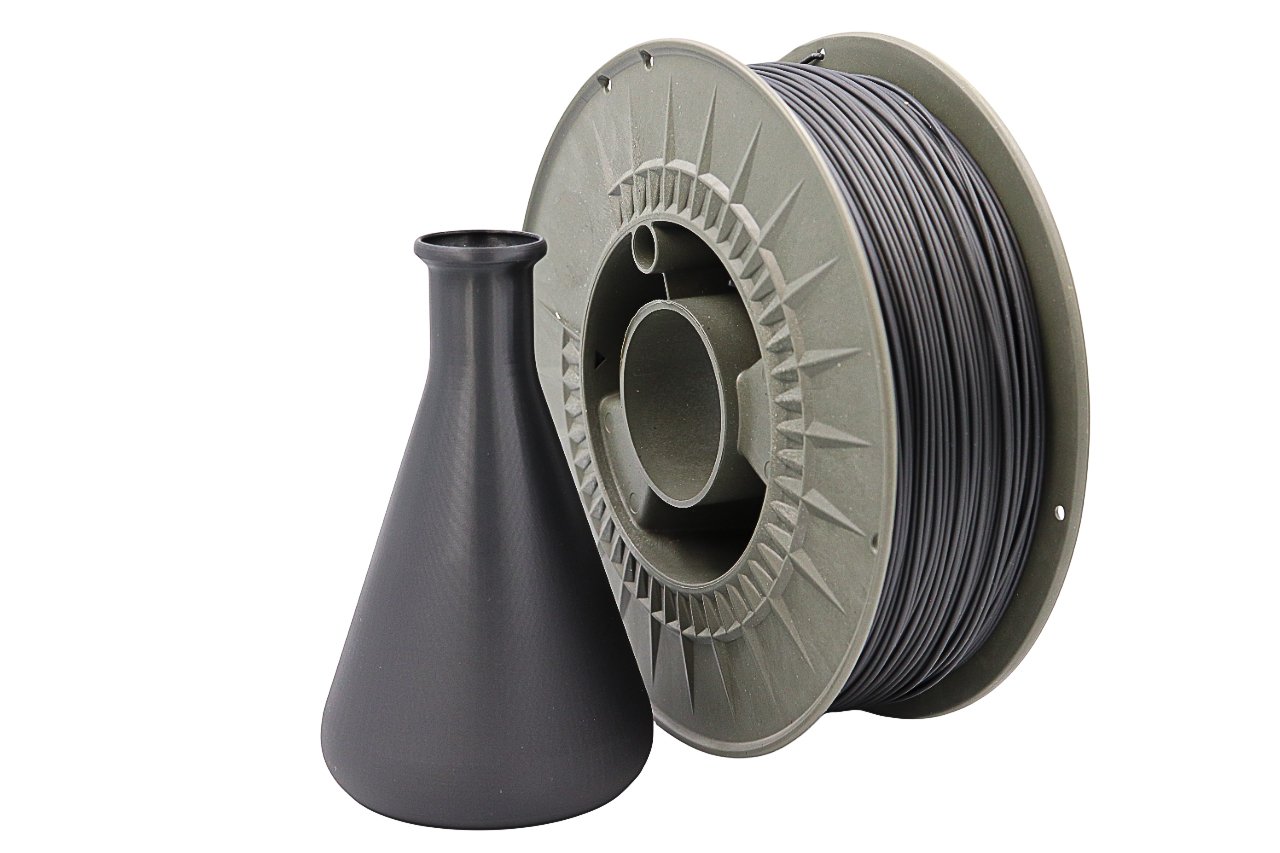
Understanding the Oozing Problem with PETG from Bundle Spools
What “oozing” means in 3D printing
Oozing happens when melted filament continues to leak out of the nozzle during travel moves or pauses. PETG is known for being sticky and fluid when hot, so it can easily leave tiny strings and blobs if the flow isn’t controlled. These artifacts might seem minor, but they affect surface quality, layer adhesion, and overall finish.
Why oozing is especially common with PETG
PETG sits in a unique middle ground between PLA and ABS: flexible enough to stick well, but soft enough to flow aggressively once heated. That balance means that improper petg print temperature and poor flow control often trigger oozing. Once the hot end reaches an ideal petg printing temperature, the material melts smoothly but will drip if left unrestrained. PETG also cools slower than PLA, which makes strings linger instead of snapping clean.
How bundle spools can aggravate the issue
Bundle spools provide cost efficiency and convenience, but they sometimes introduce small variations in filament winding tension or filament diameter. Even minor tension fluctuations can impact extrusion control, especially with PETG. If the filament unwinds unevenly, the feed may briefly over-push material, making oozing more likely.
Pre-Print Checks: Filament & Hardware Setup
Ensuring your PETG spool is properly stored and dry
PETG absorbs moisture faster than most hobbyists realize. Wet filament causes bubbles, unpredictable flow, and oozing. Always keep bundle spools in sealed, dry storage. If your print shows steam pops or uneven extrusion, dry your spool four to six hours before printing.
Checking spool winding/tension on bundle spools
Run filament through your fingers before loading. Any tight loops, twists, or inconsistent tension means you might get sudden pressure changes during printing. A smoother feed equals less pressure buildup and fewer drips.
Verifying your extruder and nozzle condition
A worn nozzle or buildup around the tip interrupts controlled extrusion. Inspect, clean, or replace your nozzle regularly. PETG’s sticky nature means even light residue can amplify oozing.
Filament diameter consistency and quality
Bundle spool batches should still maintain precision. If you find slight diameter changes, adjust extrusion flow or try single-wall calibration tests to dial in settings.
Slicer & Machine Settings to Minimize Oozing
Proper nozzle temperature
A balanced petg print temperature is critical. Too high heats cause runny filament; too low risks under-extrusion. Most prints succeed around a stable petg printing temperature, but always tune for your specific printer and brand.
Bed and environment temperature
Warm environments help avoid petg warping, but too much chamber heat increases ooze. Your heat bed should stay consistent without overheating the nozzle zone.
Retraction settings
Increase retraction distance and speed slightly for PETG. You don’t want extreme retraction because PETG can grind or clog, but moderate tightening prevents leaks.
Travel moves and speeds
Fast travel speeds reduce time for molten filament to drip. Enable combing or “avoid printed areas” to move within perimeters and hide potential strings.
Z-offset and layer height
A slightly tighter Z gap reduces excess nozzle pressure during moves. Layer height also influences internal pressure; tune it alongside petg printing temperature for cleaner transitions.
Fans and cooling
PETG likes moderate cooling. Too much fan air leads to weak adhesion or petg warping, but too little increases oozing. Find a balanced airflow setting.
Specific Strategies for Bundle Spools
Why bundle spools may feed differently
Bulk filament sometimes has more variation in winding tightness than single spools. Monitor feed movement closely when printing the first few layers.
Monitoring spool quality
Watch for sudden feed resistance or slack. Correcting tiny tensions early avoids bigger print defects.
Feeding techniques
Use a clean filament guide or upgraded spool holder for smooth rotation. Consistent feed pressure improves extrusion stability, especially at balanced petg print temperature.
Calibration prints
Run retraction towers and temperature towers when switching bundles. Every spool’s composition can slightly shift ideal petg printing temperature.
Post-Print and Maintenance Tips
Cleaning the nozzle
After PETG prints, wipe the nozzle gently while still warm to stop residue buildup. Any leftover plastic becomes a future drip point.
Removing oozed filament buildup
Check the heater block and throat area. If you see hardened strands, remove them before your next job.
Spool changes and batch notes
Each PETG batch may require slight tuning. Keep notes so you always dial in the right petg print temperature quickly.
Tracking settings
Document travel speed, retraction, and cooling settings that worked well. Good records prevent trial-and-error frustration later.
Troubleshooting Common Oozing Scenarios
Fine cobweb strings
Raise travel speed and slightly lower petg printing temperature.
Drips or blobs on surfaces
Increase retraction, adjust pressure advance, or lower temperature by 5–10°C if strings appear without petg warping issues.
Color or batch change effects
Temperature and flow can vary by pigment. Re-test to avoid over-melting and leaks.
When nothing works
If you still have issues, inspect filament, nozzle wear, and environment temperature before changing slicer profiles.
Summary & Best Practices Checklist
Quick checklist
Dry filament
Moderate petg print temperature
Balanced retraction
Clean nozzle
Fast travel moves
Monitor bundle spool tension
Avoid settings that trigger petg warping
Final thoughts
Bundle spools offer value and convenience, but require a bit more attention to feed consistency and petg printing temperature. With tuned retraction, smart temperature control, and consistent filament flow, you’ll keep oozing under control and produce smooth, strong PETG prints every time