
Introduction
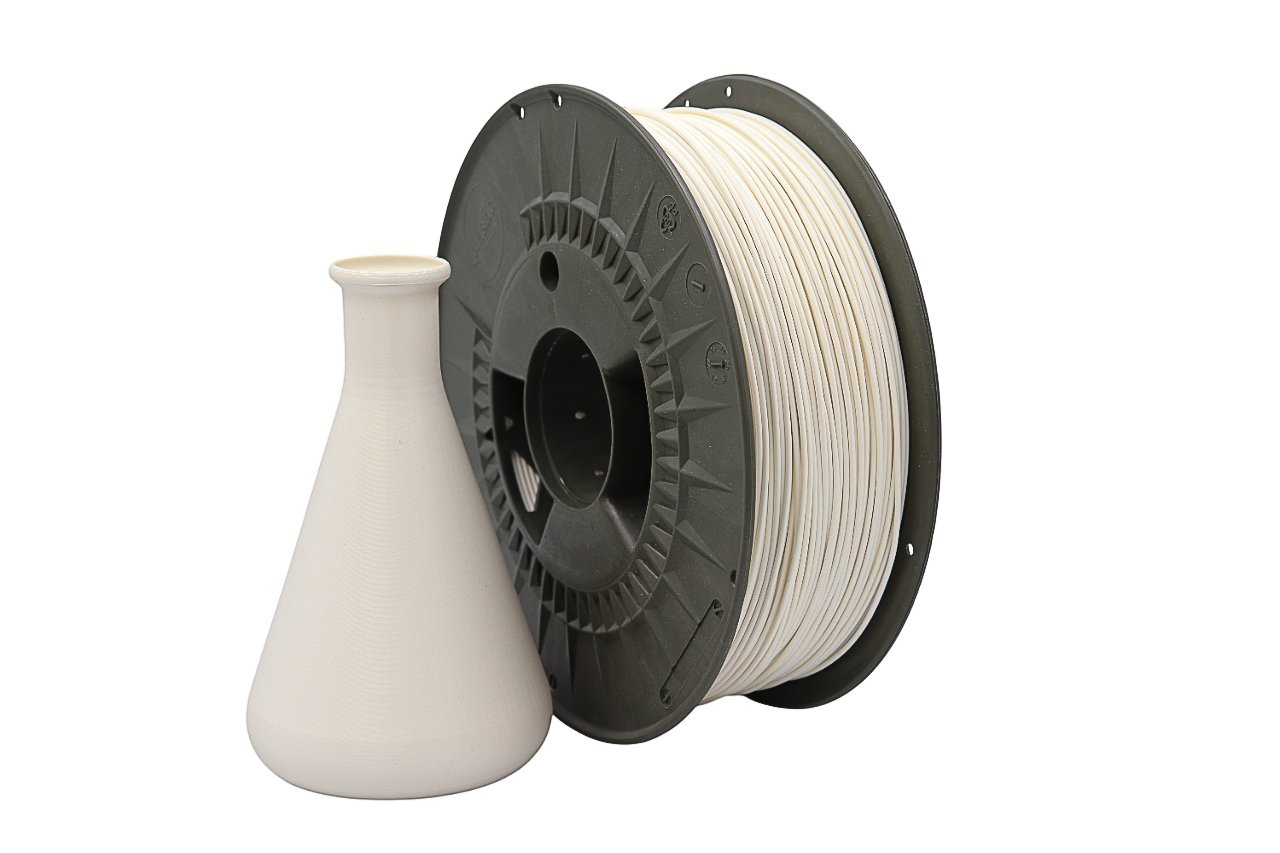
Creating truly see-through models is kind of the holy grail for makers. Whether you’re building display cases, functional light guides, artistic elements, or science-class projects, getting a 3D print transparent without haze or rough finish isn’t as simple as loading up a spool and hitting print. The right transparent filament matters, but so do print settings, surface finish, and post-processing. At Filalab.shop, we ran hands-on tests using our clear material bundles, focusing particularly on PETG transparent options to see how they stack up against other clear materials. Spoiler for the impatient: PETG showed serious promise, but only with the correct tuning.
What Does Transparent 3D Filament Really Mean?
Definition & Expectations
If you’re new to transparent filament, it’s important to set realistic expectations. In FDM printing, “transparent” usually means translucent with the potential to reach near-glass clarity when everything goes right. Layers scatter light, internal gaps diffuse it, and polishing plays a huge role. Achieving a 3D print transparent effect isn’t automatic. Transparent materials often require slower printing, reduced cooling, and intentional layer fusion to allow light to pass through more cleanly.
Common Materials Used for Clear Prints
PLA is the familiar beginner option, while PETG transparent is the favorite for projects that need strength and clarity. There are also specialized clear polymers like PMMA and PC, but they demand more technical setups and careful printing. PLA may seem easier, but PETG gives you the durability and heat resistance needed for functional parts or long-term clarity.
Is PETG the Best Filament for Transparent Parts?
Transparency Comparison – PETG vs PLA
PLA is known for being user-friendly, but PLA tends to trap micro-bubbles, creating frosted appearances. PETG transparent material, on the other hand, melts and bonds differently, allowing cleaner layer fusion. When properly printed, it produces smoother internal pathways for light to travel. Our bundle tests confirmed this trend: the best 3D print transparent outcomes came from PETG rather than PLA.
Mechanical & Functional Advantages of PETG
This is where PETG really shines. Beyond optical performance, PETG transparent filament is tougher, heat-resistant, and better suited for real use environments. Think: protective covers, liquid-contact parts, lighting components, food-safe containers (depending on certification). If you want beauty and function, PETG transparent is hard to beat.
Potential Drawbacks & Considerations for PETG
Of course, no material is perfect. PETG can string more easily, needs to be dry, and often requires slightly slower speeds. Transparent prints exaggerate imperfections, so dialing in settings matters more. But when the goal is a 3D print transparent finish, the payoff is worth the patience.
Our Bundle Test Results: Transparent Filament at Filalab.shop
Test Setup & Criteria
To evaluate transparent filament performance, we printed cubes, vases, and light-diffusion cylinders. We used varied layer heights, extrusion multipliers, and cooling profiles. We also intentionally ran prints with incorrect settings to see how sensitive each filament was to tuning.
Results Summary
Across all trials, PETG transparent bundles consistently delivered the clearest finish when properly dialed in. PLA clear spools worked well for decorative models but lacked the depth and clarity that PETG offered. Notable results: best clarity: PETG bundle A; best ease-of-use: PLA bundle B; best heat-resistance clarity combo: PETG transparent bundle C.
What These Results Mean for You
If you want to experiment with transparency casually, go PLA. If you’re serious about a 3D print transparent finish that can withstand use, PETG transparent is the smarter pick.
How to Maximise Clarity When Printing Transparent Parts
Printer Setting Adjustments
Transparent success loves slow speeds, high temps, and low cooling. Try higher nozzle temp for better layer fusion, minimal cooling to avoid frosting, thick walls and 0 percent infill for light clarity. Dialing these in makes transparent filament perform beautifully.
Filament Handling & Preparation
Moisture ruins transparency. Dry PETG transparent filament before use, store in airtight containers, and avoid humidity exposure.
Post-Processing Techniques for Glass-Like Finish
Wet sanding, flame polishing, or clear epoxy coating will elevate your 3D print transparent projects into near-glass territory.
Design Considerations
Thicker wall models and smooth curves transmit light better. Avoid complex internal geometry if clarity is your goal.
When PETG Might Not Be the Best Fit
Simpler Visual Projects – PLA Might Suffice
If you just want a fun crystal-look vase, PLA is fine. Transparent PLA prints look pretty with minimal effort.
Specialized Transparency Needs
For optical-grade clarity like lenses or aquarium-grade sheets, industrial processes still win. But for hobby and functional clear parts, PETG transparent shines.
Buying & Bundle Recommendations From Filalab.shop
What to Look For
Pick transparent filament that lists clarity grade, comes vacuum-sealed, and offers consistent spooling.
Featured Bundles
We offer carefully selected PETG transparent and PLA clear bundles tested in-house for consistent performance.
Choosing the Right Option
Decorative → PLA. Strong and clean look → PETG transparent. Precision or optical demands → specialty materials.
Conclusion
In our tests and experience, PETG transparent material delivered the most impressive clarity and durability balance. Achieving a 3D print transparent finish takes tuning, but the right transparent filament plus proper settings unlocks stunning results. Ready to experiment? Browse our clear filament bundles at Filalab.shop and start printing crystal-clear creations that turn heads.