
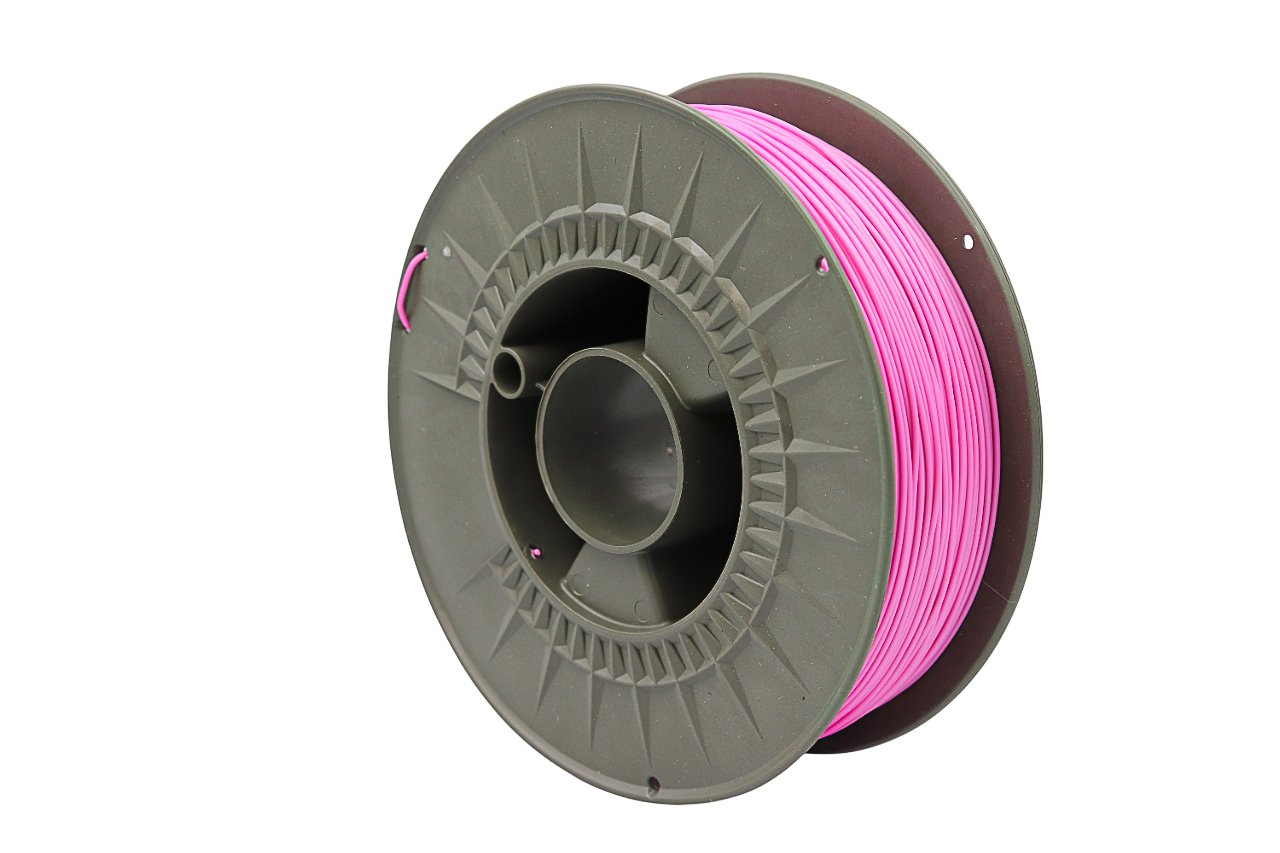
PLA vs PLA+ sparks debates in every workshop, Discord thread, and maker space. You grab a roll of basic PLA, it prints great, life is good. Then you see PLA+ filament promising extra strength, better finish, improved performance and suddenly you are asking: PLA+ vs PLA, is it really worth the upgrade? This article breaks it all down with real use cases, honest results, and zero hype.
Introduction
If you are trying to choose between standard PLA and PLA+, you are not alone. The PLA vs PLA+ question comes up constantly for beginners and experienced makers alike. This guide explores real printing scenarios, advantages, disadvantages, and performance comparisons. By the end, you will see where PLA+ filament stands out and when regular PLA still wins.
What is Standard PLA?
Composition and Manufacturing
PLA, or Polylactic Acid, is a biodegradable bioplastic made from renewable sources like cornstarch or sugarcane. It became the go to material in hobby 3D printing thanks to its low melting point, minimal warping, and ease of use.
Common Properties and Use Cases
PLA shines in accessibility and reliability. It prints smoothly, does not require a heated chamber, and offers solid detail. You will often hear people say PLA is perfect for beginners, art models, prototypes, and everyday prints. But compared to PLA+ vs PLA in tougher applications, classic PLA can feel a bit brittle.
When to Use Standard PLA
Choose standard PLA when you want:
- Quick, hassle free printing
- Cost efficiency
- Simple decorative models
- Prototypes and non load bearing parts
For easy projects, PLA vs PLA+ often leans toward regular PLA due to lower cost and simplicity.
What is PLA+?
What “Plus” Actually Means
PLA+ filament does not have a universal formula. Manufacturers typically add modifiers such as TPU, impact agents, or other proprietary blends to enhance durability and flexibility. Think of it like the improved sports version of PLA.
Enhanced Properties and Features
PLA+ is designed to fix weak points of basic PLA. Better layer adhesion, increased toughness, improved surface finish, and sometimes reduced layer lines. When comparing PLA+ vs PLA, PLA+ becomes the favorite for stronger, more functional models.
Use Cases Where PLA+ Shines
PLA+ is ideal for:
- Functional parts that take stress or impact
- Brackets, hinges, utility clips
- Models needing sanding or painting
- Objects requiring a smoother and more refined finish
Head to Head Tests: PLA vs PLA+
Case Study 1 – Beginner Style Print
For a standard benchy or small figurine, the difference is minimal. In PLA+ vs PLA basic quality tests, both printed smoothly. Standard PLA even had slightly cleaner edges due to fewer additives. For simple models, regular PLA still takes the crown.
Case Study 2 – Functional Print Under Stress
A test with a 3D printed wrench and cable clamp showed a noticeable difference. PLA+ filament handled bending, torque, and shock better without cracking. PLA held shape but snapped under heavy load. This test clearly pushes the PLA vs PLA+ debate toward PLA+ if durability matters.
Case Study 3 – Post Processing Project
Sanding and painting a helmet piece showed PLA+ winning again. It sanded easier, held primer better, and maintained surface quality. PLA heated edges more quickly and chipped during sanding. For creators looking for smooth finishes, PLA+ vs PLA tilts toward PLA+.
Cost and Practical Considerations
Price Comparison
PLA is generally cheaper. PLA+ costs a bit more, typically a few extra euros or dollars per spool. If you are printing simple items daily, cost matters. If you are making strong parts occasionally, the upgrade is worth it.
Settings and Print Behavior
PLA prints effortlessly. PLA+ may need slightly higher temperatures and slower speeds. Better adhesion but potentially stringier if settings are not dialed in. Still beginner friendly, just not as plug and play as PLA.
Advantages and Disadvantages
Advantages of Standard PLA
- Cheapest option
- Easy to print
- Wide color variety
- Great for decorative models
Disadvantages of Standard PLA
- Brittle under stress
- Less forgiving in sanding and finishing
Advantages of PLA+
- Stronger, tougher parts
- Better layer adhesion
- Smoother finish potential
- Great for functional prints
Disadvantages of PLA+
- Slightly higher price
- Can require tuning
Final Verdict: Is PLA+ Worth It?
If your printing is mostly models, miniatures, toys, home decor, and learning practice prints, regular PLA is still amazing. For stress loaded parts, mechanical models, models requiring sanding or painting, or smoother surface finishes, PLA+ filament delivers clear benefits. In everyday PLA vs PLA+ use, PLA wins for beginners and cost efficiency, while PLA+ shines for makers demanding extra durability and polish.
Practical Tips
- Test both on your printer to find ideal temps
- Use PLA for prototypes, PLA+ for final parts
- Store both properly to avoid moisture issues
Conclusion
Standard PLA remains the most user friendly filament for everyday printing. But if you want tougher, cleaner looking, more resilient models, PLA+ is worth the extra couple dollars. The PLA+ vs PLA decision really comes down to print purpose. Start with PLA, upgrade to PLA+ filament when you are ready to build stronger and sharper parts.